Australia is one of the most diverse and largest countries in the world! The Land Down Under is almost as big as the continent of Europe, so you’ll need plenty of time if you want to see it all. We traveled around the country for five months ourselves and are now sharing our best travel tips and itineraries. This three-week itinerary from Melbourne to Sydney will introduce you to the best that Australia has to offer. Along the way, you’ll go from one stunning national park to the next, where you’ll encounter more kangaroos, koalas, and wombats than people. Get ready for a crazy road trip along Australia’s east coast!
Everything you need to know for your round trip Australia
Most travelers follow the route from Sydney to Cairns and often skip this part of Australia. Sin! We found the Melbourne to Sydney itinerary at least as beautiful, and it is especially totally different in terms of landscapes and environment. Nature is rougher and more pristine here and you will find an awful lot of wildlife! Furthermore, it is also quieter here and more often you have the feeling of being all alone, on the two bustling cities Melbourne and Sydney after. But you’ll gladly take those with you, because these are undoubtedly the two most fun cities in all of Down Under!

How to get around in Australia
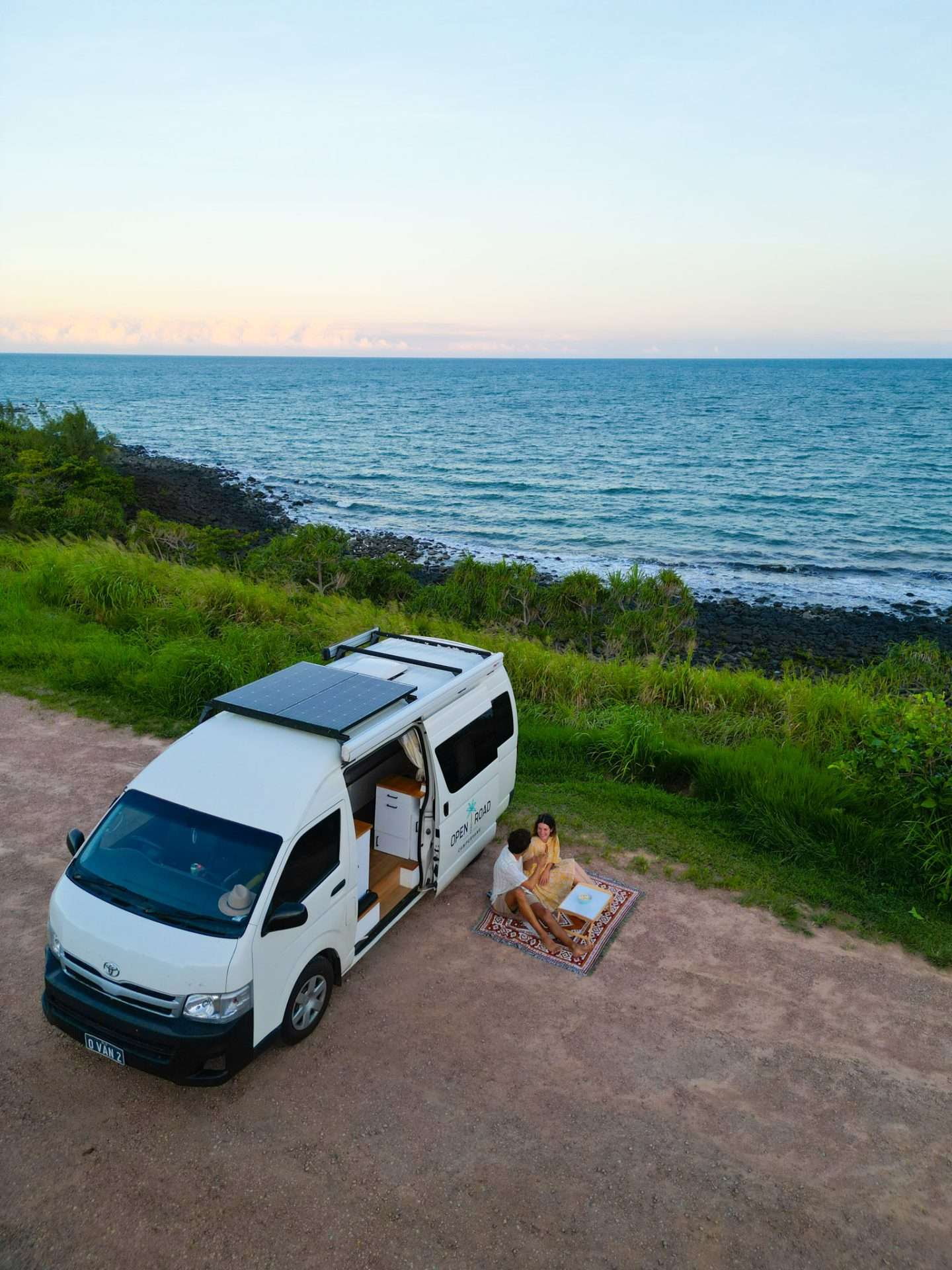
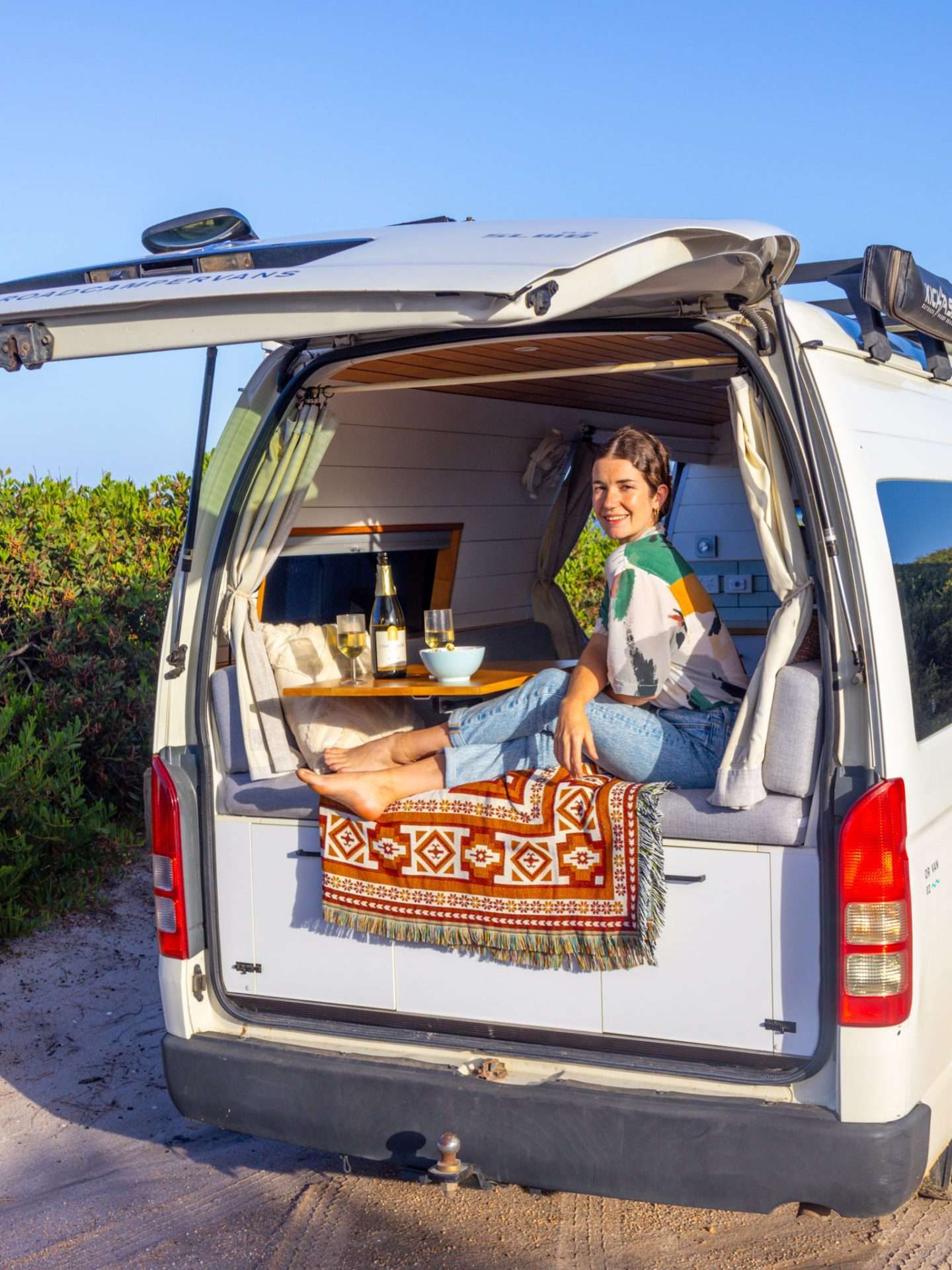
The best way to get around Australia is by car or motorhome. This way you have the freedom to customize your own itinerary and also reach more remote places. For this part of Australia, you do not need a 4×4 vehicle. The roads are paved, are often long and straight and in good condition. Here you rent a car inexpensively for the East Coast of Australia! To rent an RV, check out the Camplify platform where individuals offer their RVs in all sizes and formats. We found our motorhome here from Open Road Campervans and can only recommend this motorhome! For three months we lived full time in “Roma the Van” and we wouldn’t have wanted it any other way.
TRAVEL TIP: In Australia, they drive on the left and you must be at least 21 years old. This takes some getting used to but there are plenty of signs along the road reminding you of this as well. In addition, you must be at least 21 years old to drive.
Finally, you can also use various bus companies in Australia such as the well-known Greyhound bus to get around. However, these buses do not stop everywhere, and for this itinerary Melbourne to Sydney is not a good option because the bus travels through the interior.
Where to stay in Australia
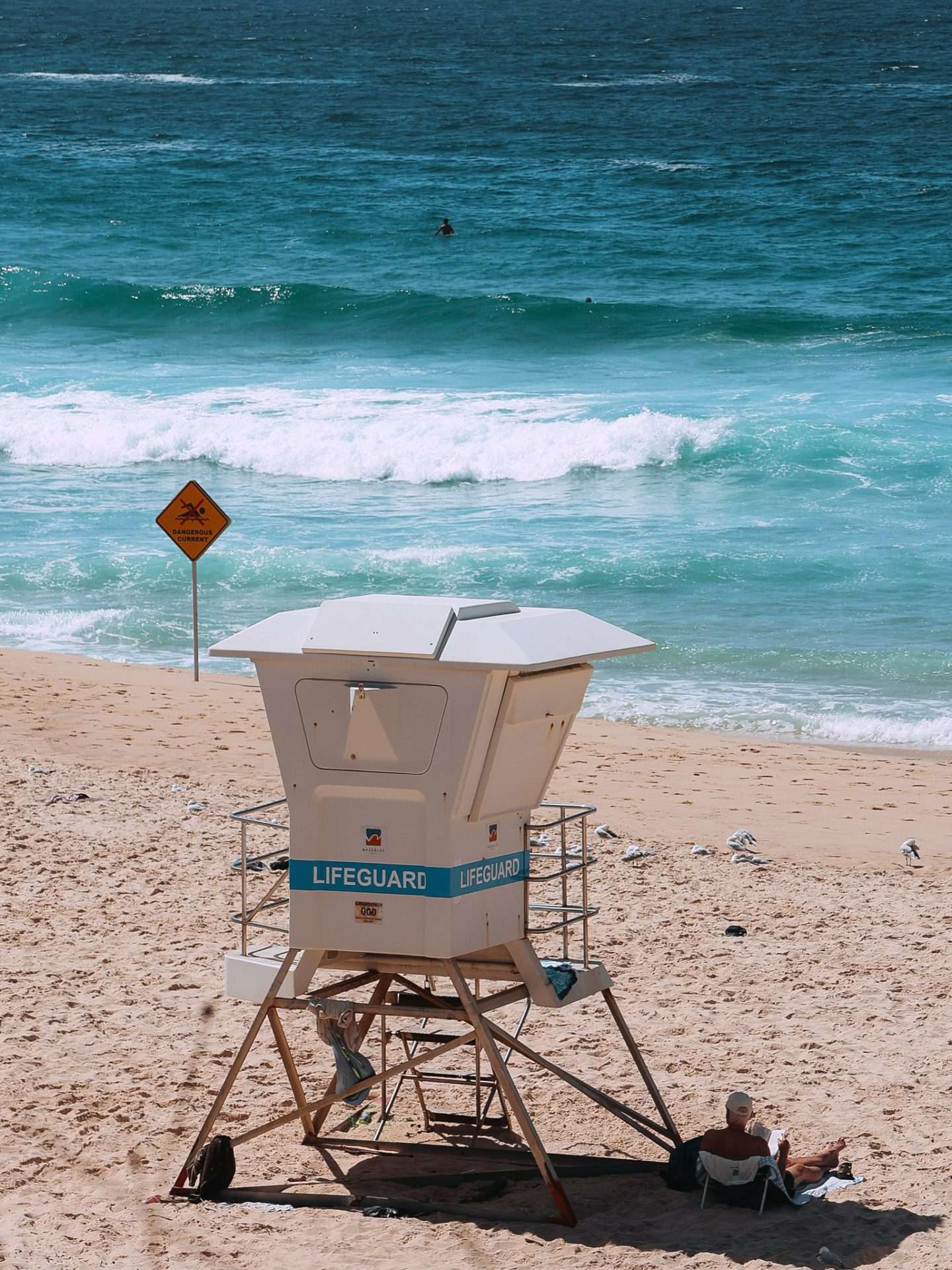
Australia is truly a campervan paradise. Here you’ll find countless campgrounds, as well as public barbecue areas, restrooms, and showers. In our opinion, the best way to experience this amazing country is in a campervan! If you’re traveling by car, you can stay at cozy accommodations and enjoy more space and comfort. At every stop, we’ll give you the best options for both, so all you have to do is book! Keep in mind that it can get very busy during peak season, so it’s best to book both accommodations and (popular) campgrounds in advance.
The ideal itinerary: Melbourne to Sydney
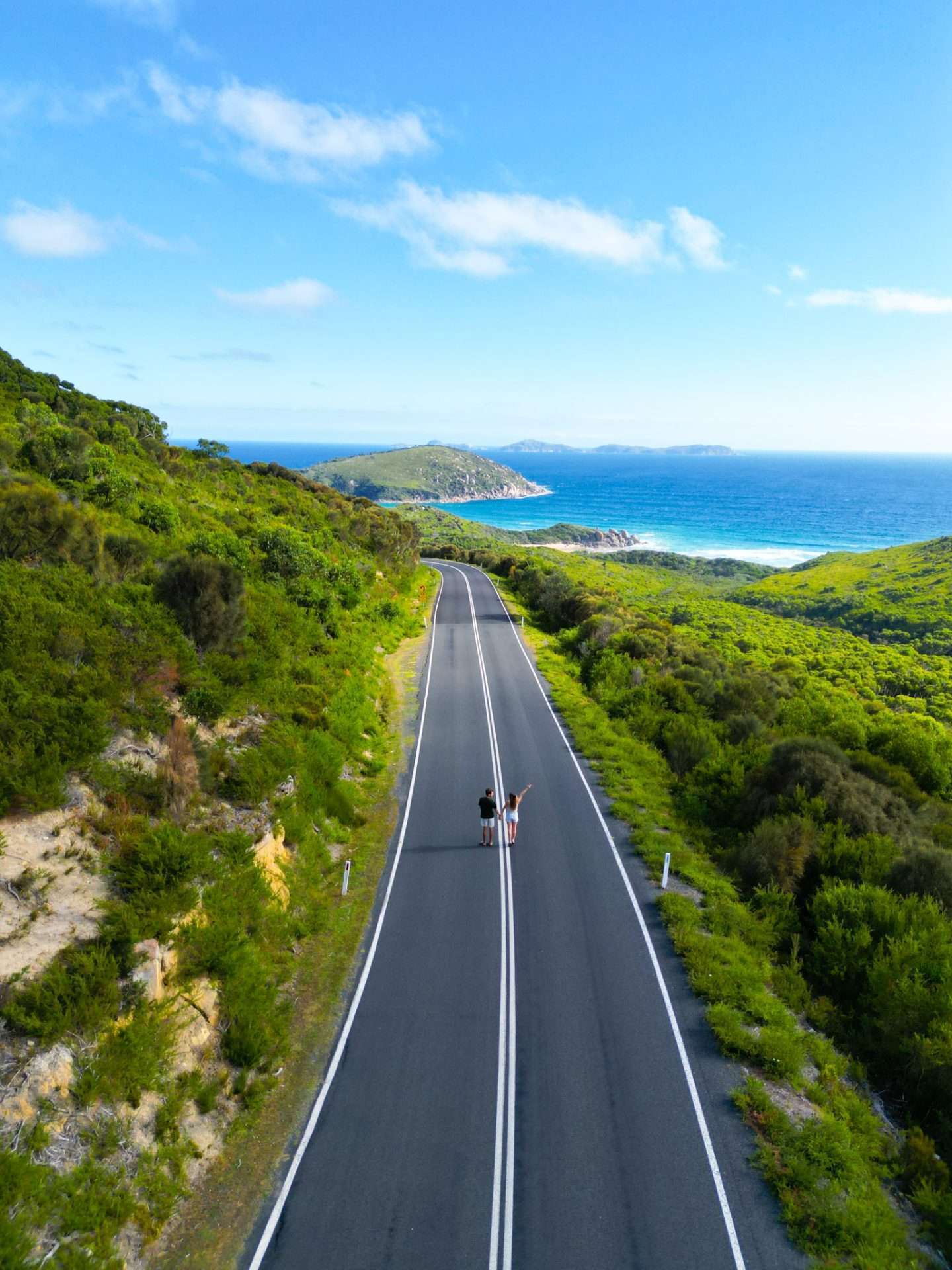
Get ready for an amazing road trip in Australia full of amazing landscapes! You will find that some days you will have to do some driving, but that is unavoidable in this country. We designed the itinerary so that you always have enough time in each place and it doesn’t feel rushed. Of course, you can modify this route however you want, but definitely don’t underestimate the distances in Australia.
Day 1 – 4: Melbourne
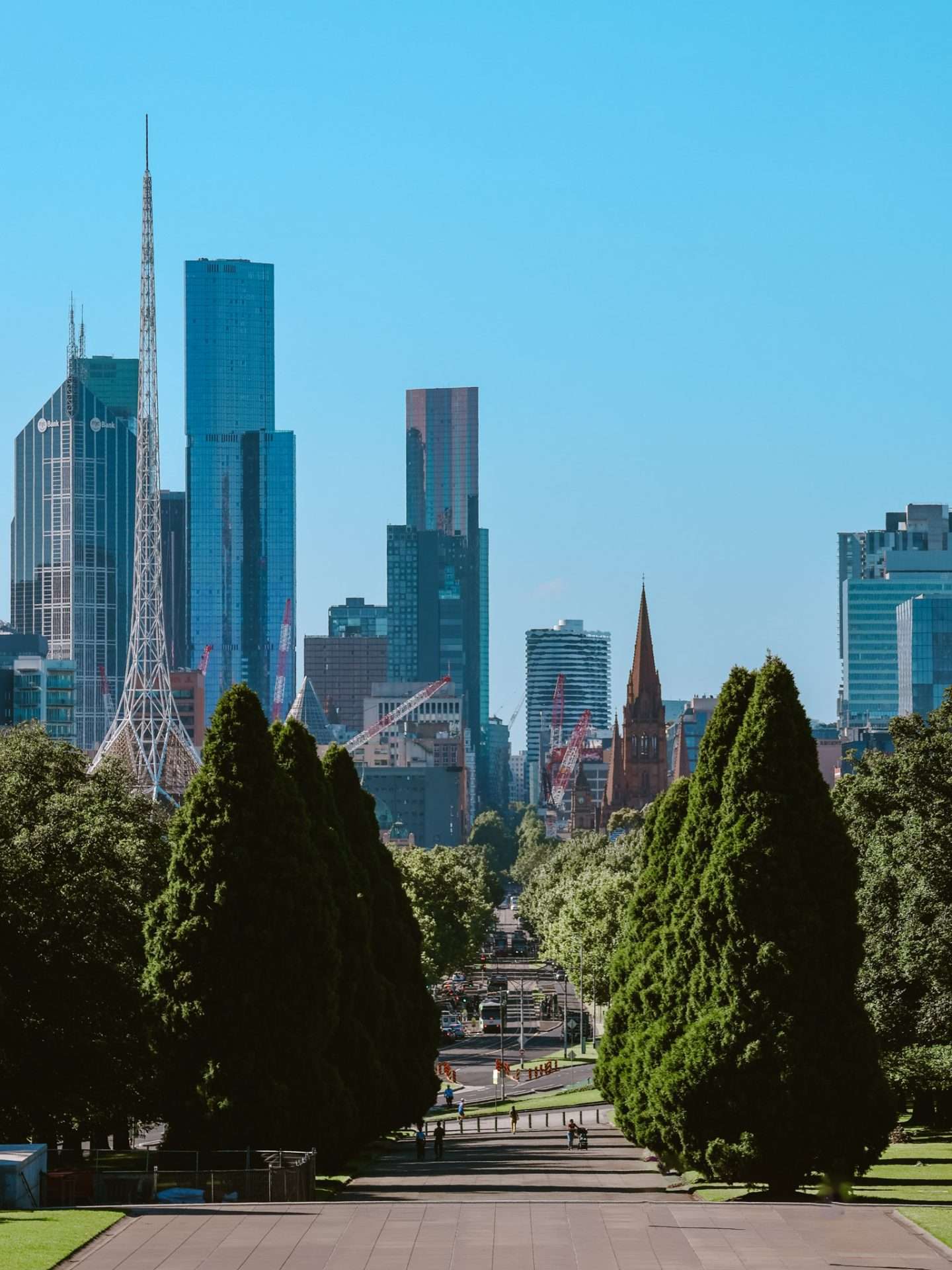
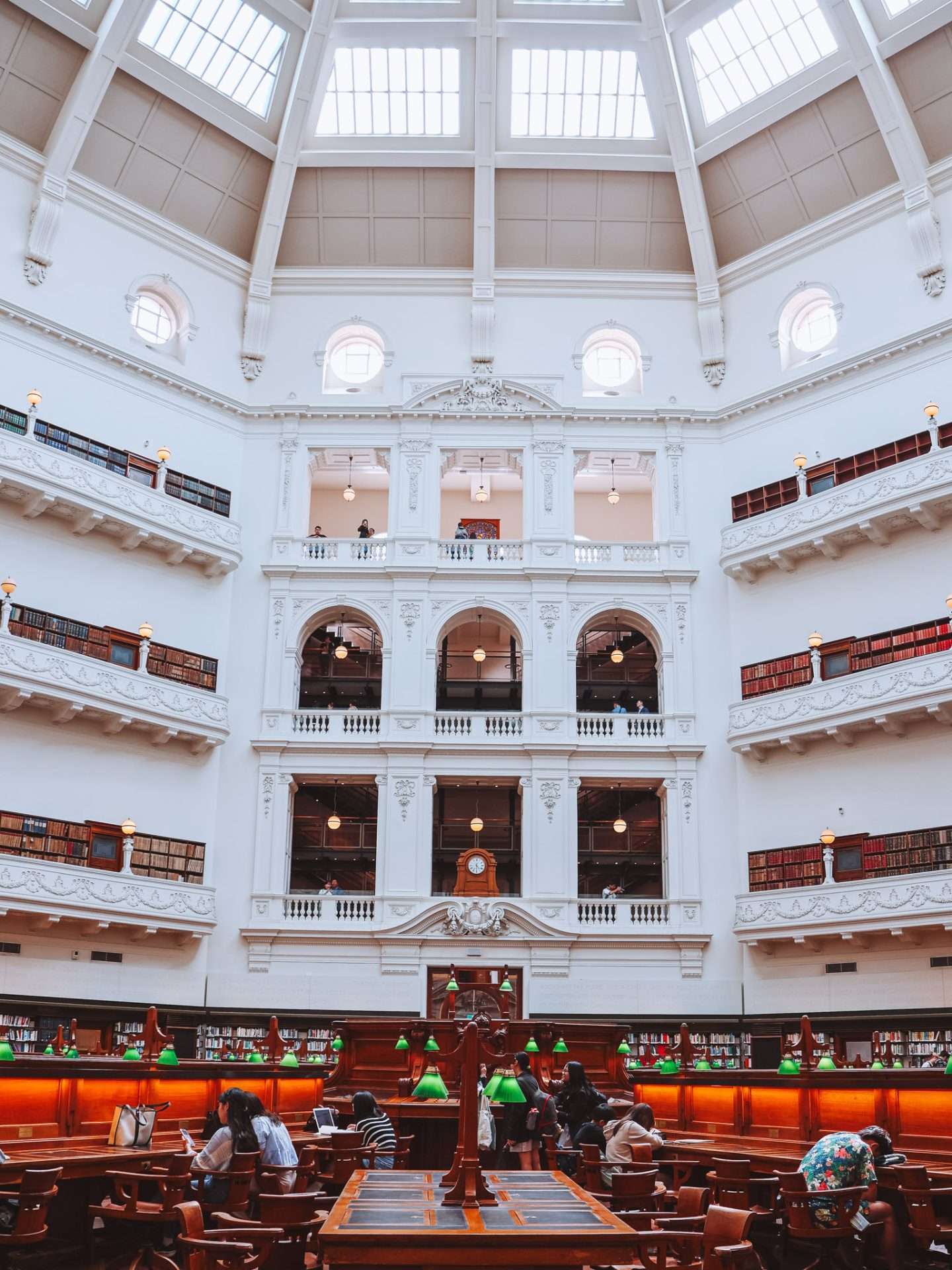
This itinerary begins in what is arguably Australia’s hippest city: bustling Melbourne! Also known as the cultural capital, there is a lot to do here and it is the ideal place to recover from your jet lag. You’ll find plenty of nice museums, botanical gardens where you can go to the open-air cinema in the summer, and most of all lots of tasty restaurants and bars. Because as a foodie, you’ll definitely get your money’s worth in Melbourne, too. Also, be sure not to skip a visit to the St. Louis neighborhood. Kilda, where you will find nice beaches.
Where to stay in Melbourne
- Camping: Most campsites are not in central Melbourne so it’s best to stay in a hotel or hostel first. The nearest campground is Discovery Parks – Melbourne a 30-minute drive from the city center.
- Hotel: The Victoria Hotel is not only nice to stay at but is also within walking distance of the best sights in Melbourne! The Rydges Melbourne in turn has fantastic views.
Day 4 – 6: Great Ocean Road
+/- 380 km ● spread over 3 days
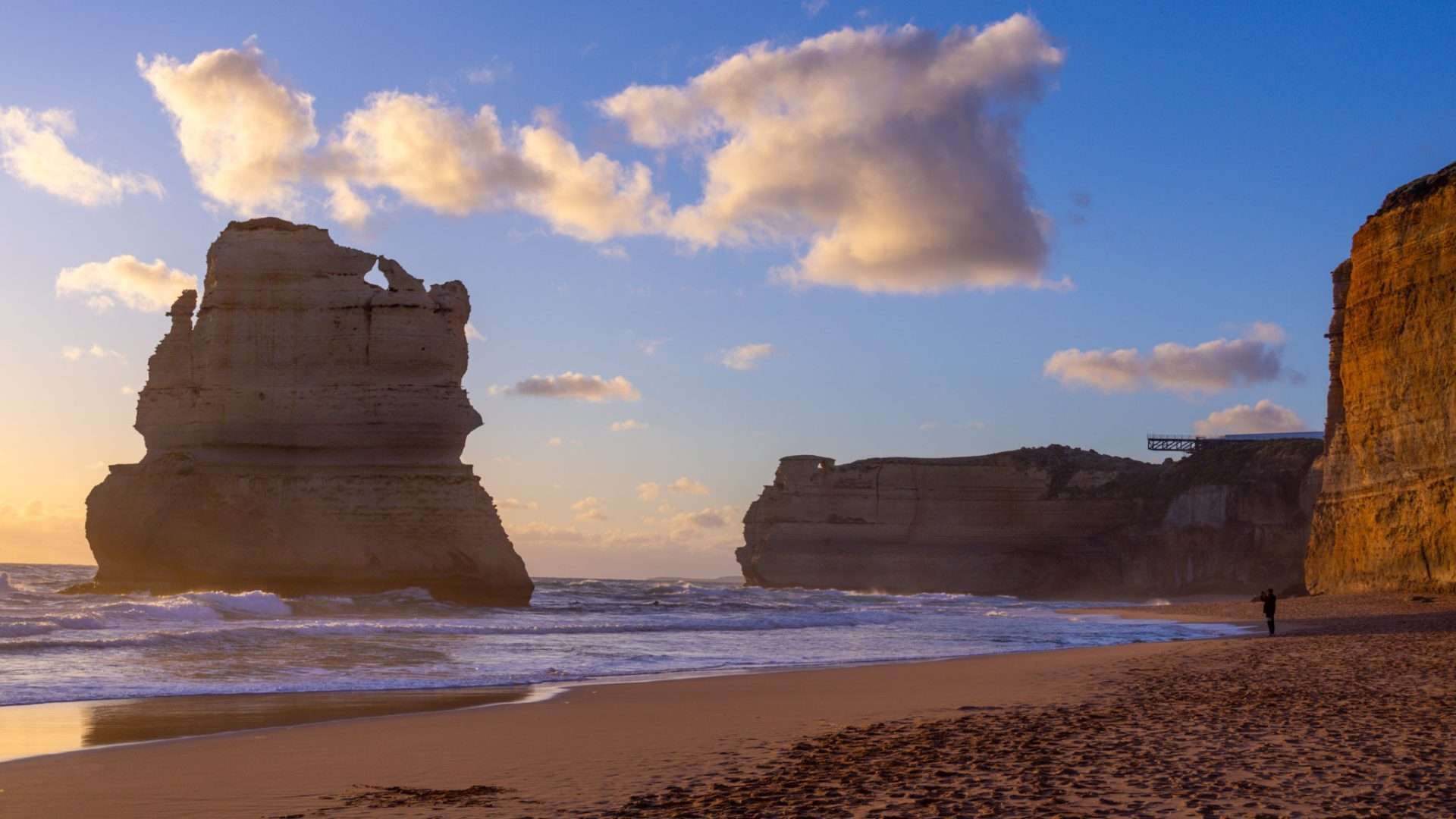
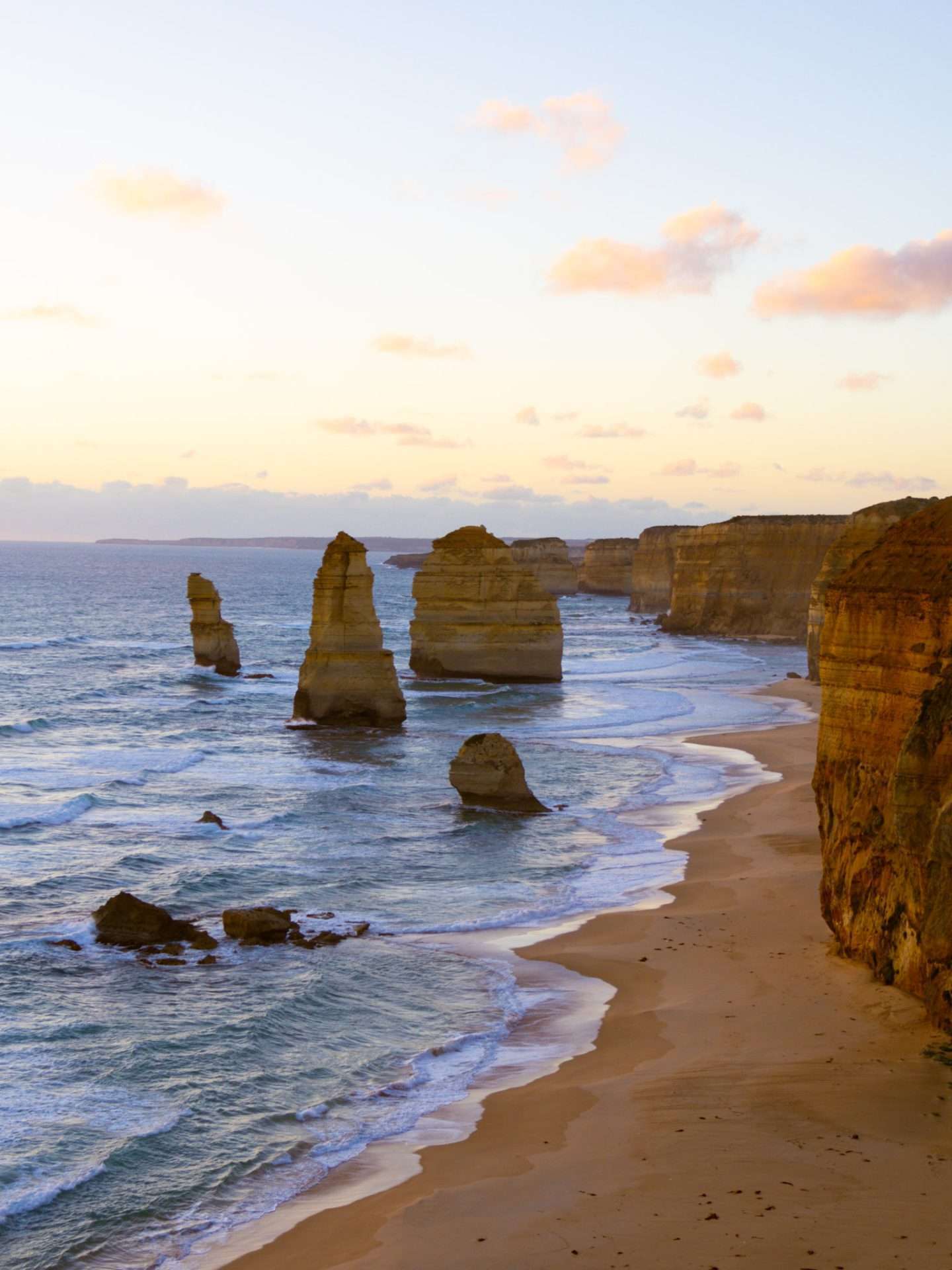
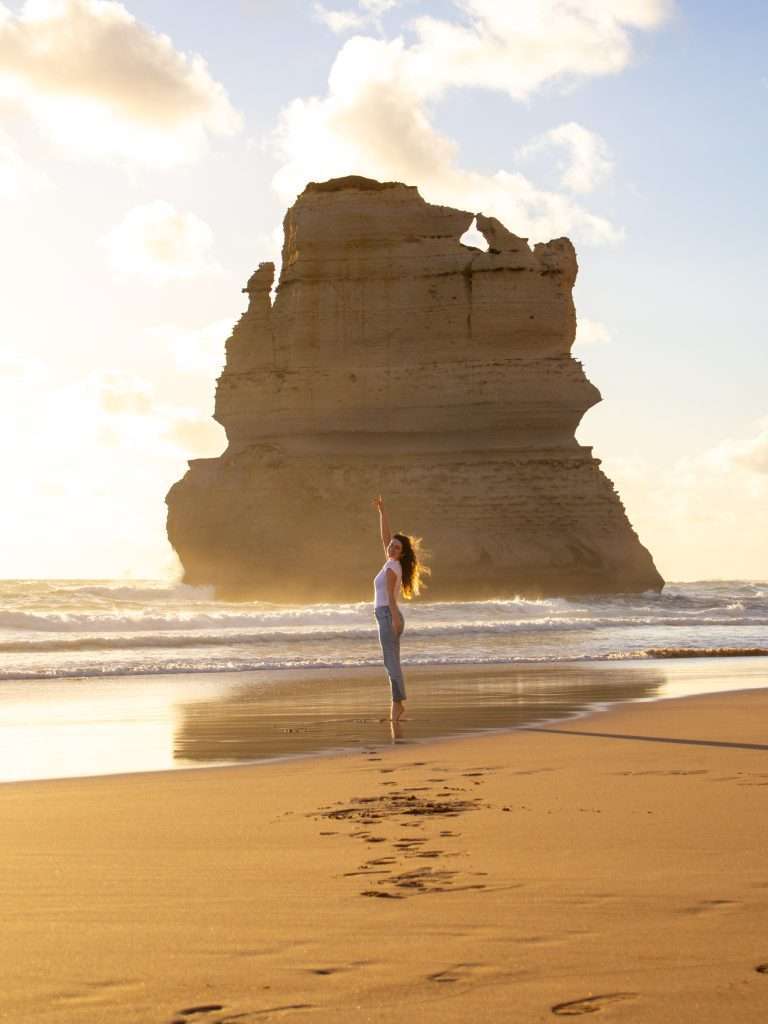
Today you’ll get up early and embark on what may be the highlight of this itinerary from Melbourne to Sydney: the Great Ocean Road. From the town of Torquay, you will drive one of the most scenic drives in the world for 243 km. Dramatic cliffs like the famous Twelve Apostles, pristine beaches, waterfalls and wildlife like koalas and kangaroos provide the backdrop. Although you could also do the Great Ocean Road in one day from Melbourne, we recommend three days for this.

Where to stay
- Camping: There are several campgrounds along the Great Ocean Road to stay at. We were at Blanket Bay Campground in the middle of nature and at’Princetown Reserve in the middle of the kangaroos!
- Hotel: There is certainly no shortage of cozy accommodations either! At Seafarers Getaway you are right on the beach. The cozy studios of Clifton Beach Lodge in turn are close to the Twelve Apostles!
Day 6 – 8: Grampians National Park
+/- 170 km ● 2h drive
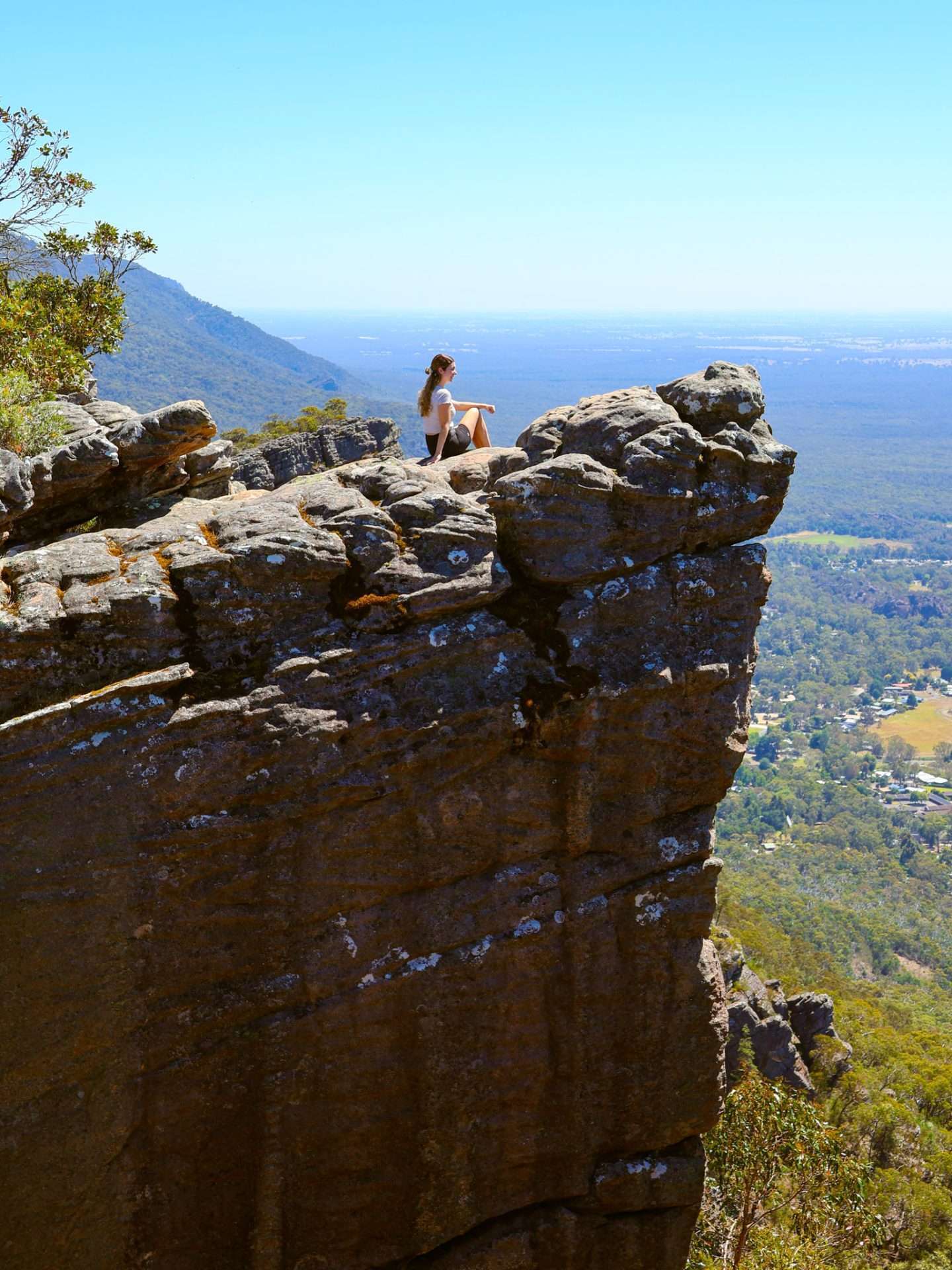
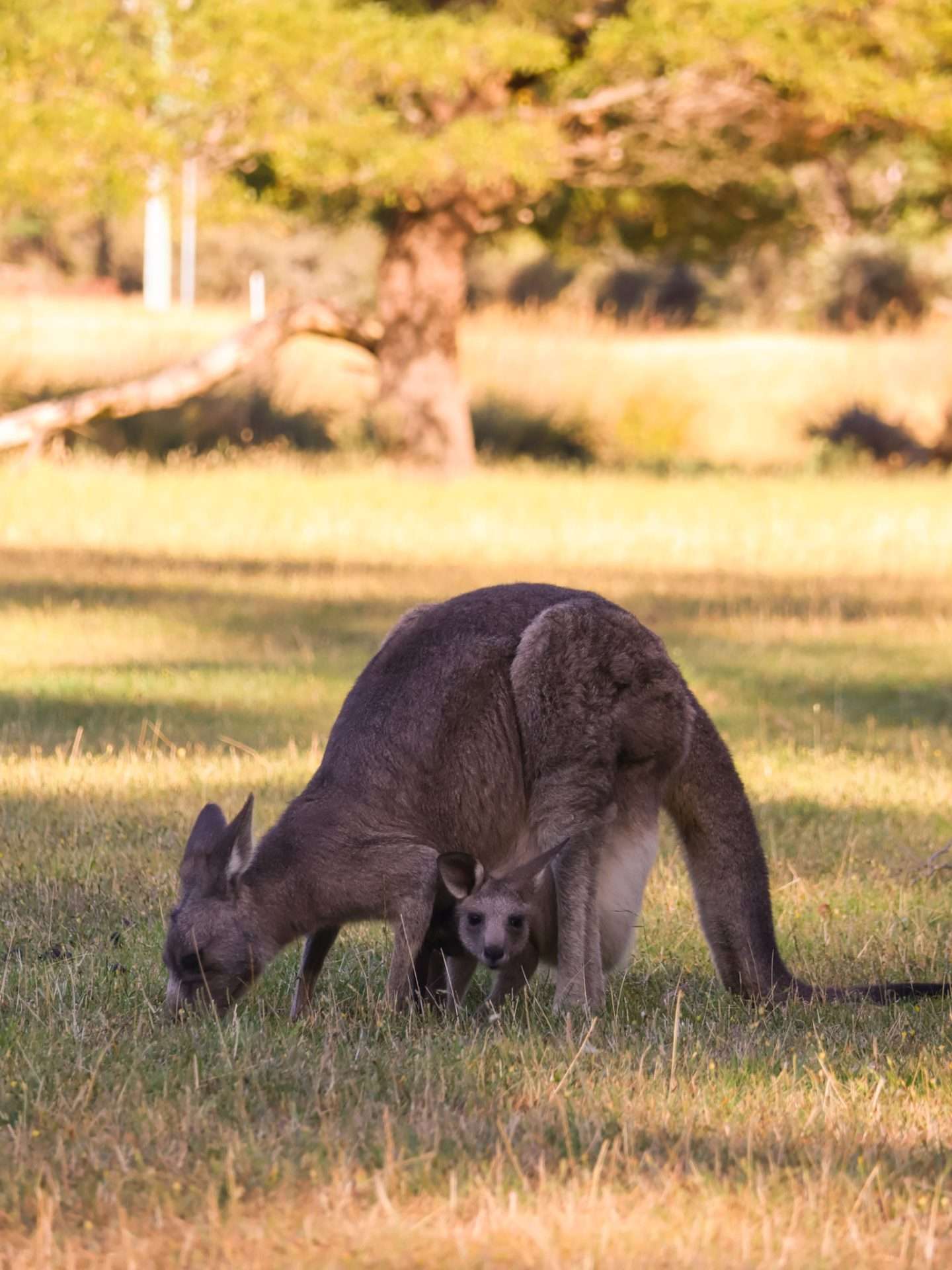
On Day 6, make some fun stops along the Great Ocean Road in the morning, including the Loch Ard Gorge, London Bridge and the Bay of Islands. The Great Ocean Road officially ends in Allansford. From there, you drive on in two hours to the Grampians National Park, where you will see an awful lot of kangaroos and emus! Furthermore, you can do a lot of nice hikes here such as the Pinnacles Walk, where you have a fantastic view of the valley. Other nice viewpoints include Reeds Lookout, The Balconies and Boroka Lookout. Finally, don’t miss a visit to the impressive MacKenzie Falls and nearby Fish Falls. The central point in the Grampians is Halls Gap, from where you can visit most of the highlights in the park.
Where to stay in Grampians National Park
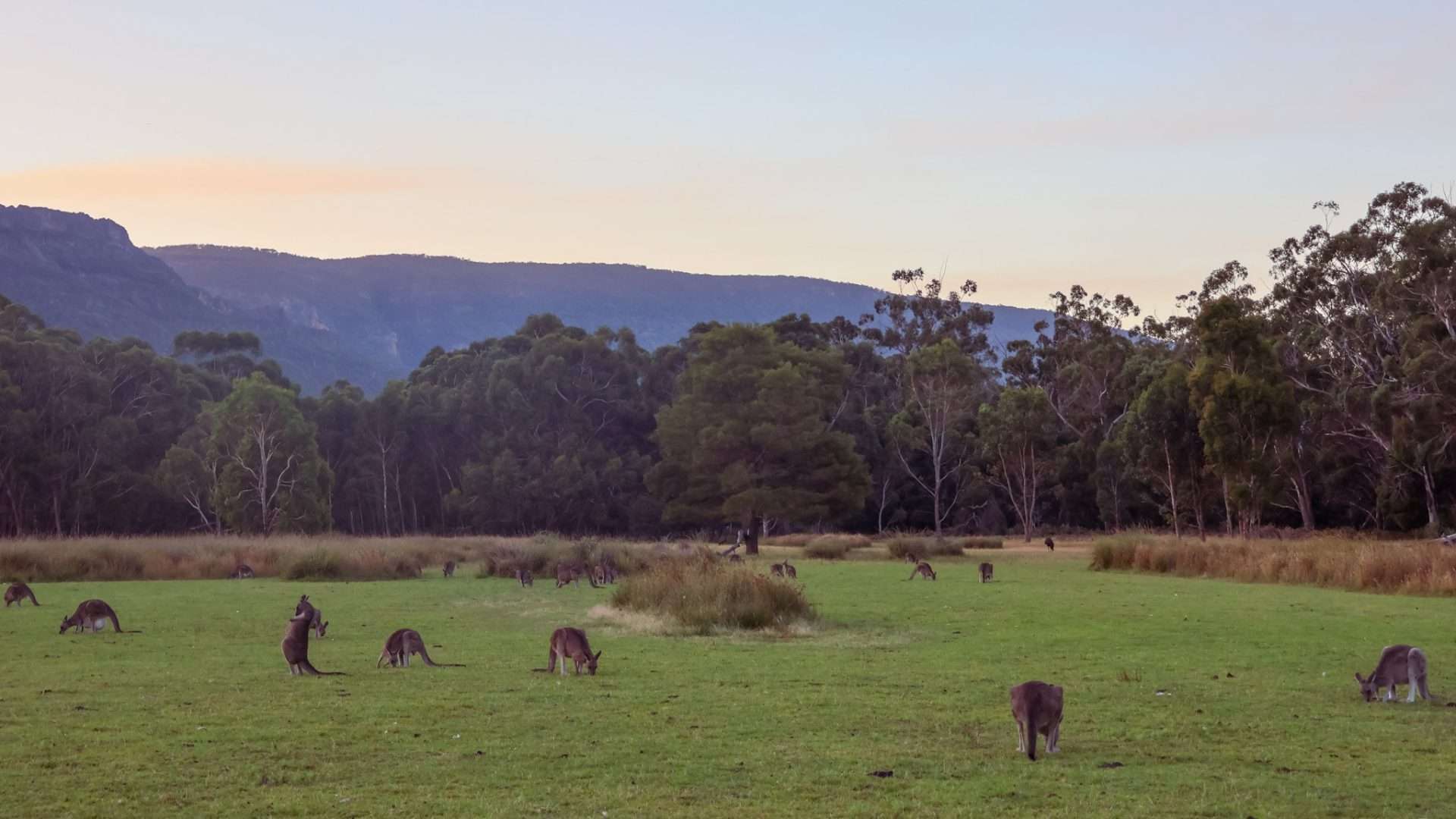
- Camping: If you are traveling with an RV then you should be at Halls Gap Lakeside Tourist Park Be. For us, this was perhaps the nicest campground we have stayed in. This is because of the many kangaroos and emus that come to graze in the adjacent pasture at night, but also because this campground has tremendously good facilities.
- Hotel: You can also stay at Halls Gape Lakeside Tourist Park Visit. In fact, you can sleep in a glamping tent or a beautiful cabin with its own kitchen and terrace! Timely booking is recommended as this spot is very popular.
Day 8 – 9: Phillip Island
+/- 400 km ● 4h30 drive
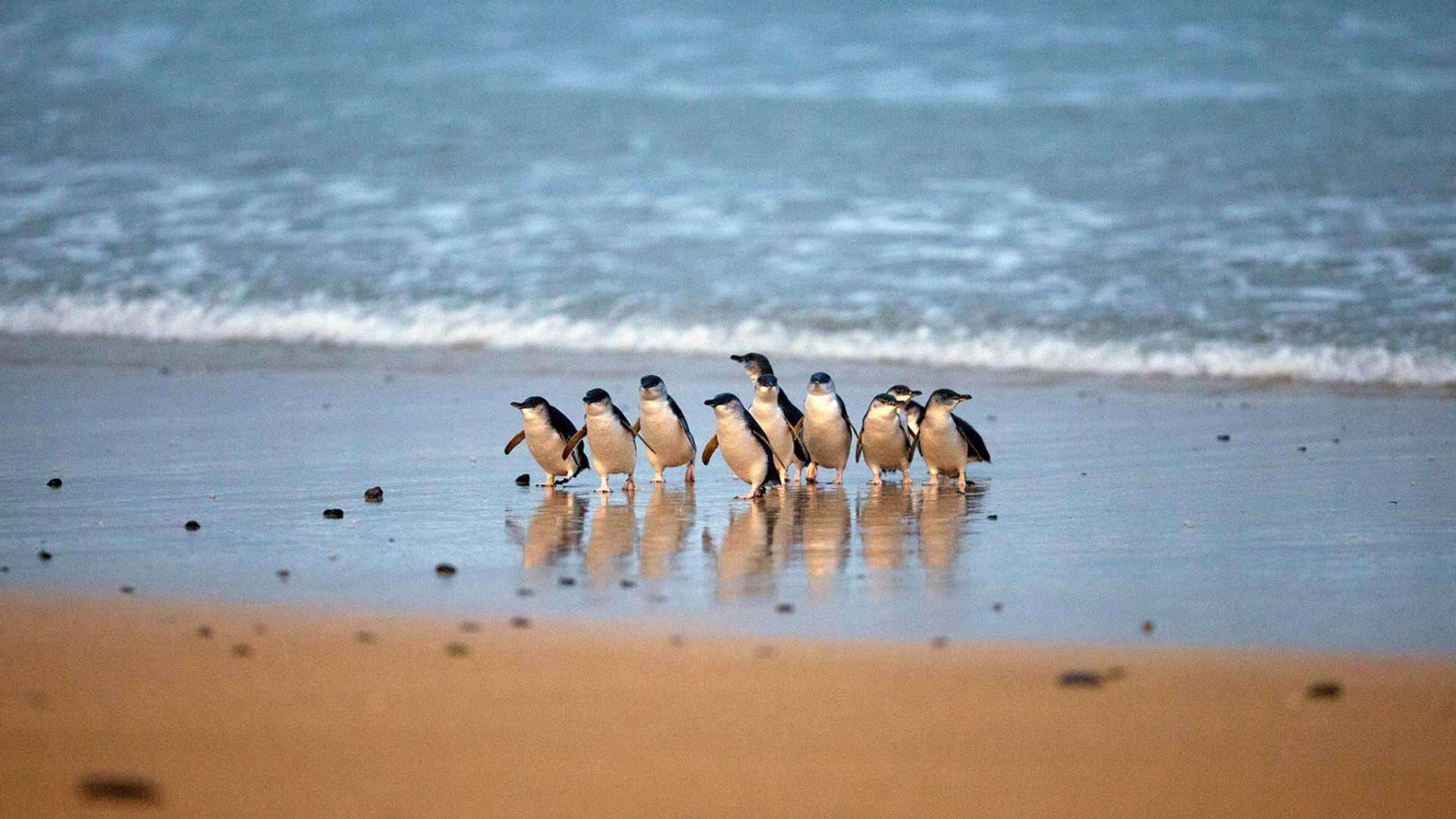
Today is a longer drive, so it’s best to leave early so you arrive at Phillip Island in the late afternoon. Especially since you’ll want to arrive in the evening in time to witness a fantastic natural phenomenon: the Penguin Parade. In fact, every evening around sunset, thousands of penguins come out of the sea to feed their young on land. At the visitor center, you can experience this phenomenon in an ethical way. Other fun things to do on Phillip Island include walking the coastline toward Cape Woolamai or visiting the Churchill Island Heritage Farm. At Nobbies Centre you can find out more about the fauna and flora on Phillip Island. And with any luck, you’ll see Australian fur seals resting in the sun here!
Where to stay on Phillip Island
- Camping: You have a limited number of campsites on Phillip Island. Amaroo Park and NRMA Phillip Island have everything you need!
- Hotel: Thanks to its elevated location, at Hilltop Apartments a fantastic view of the sea and you are just a 15-minute drive from the visitor center
Day 9 – 11: Wilsons Promontory
+/- 145 km ● 2h drive
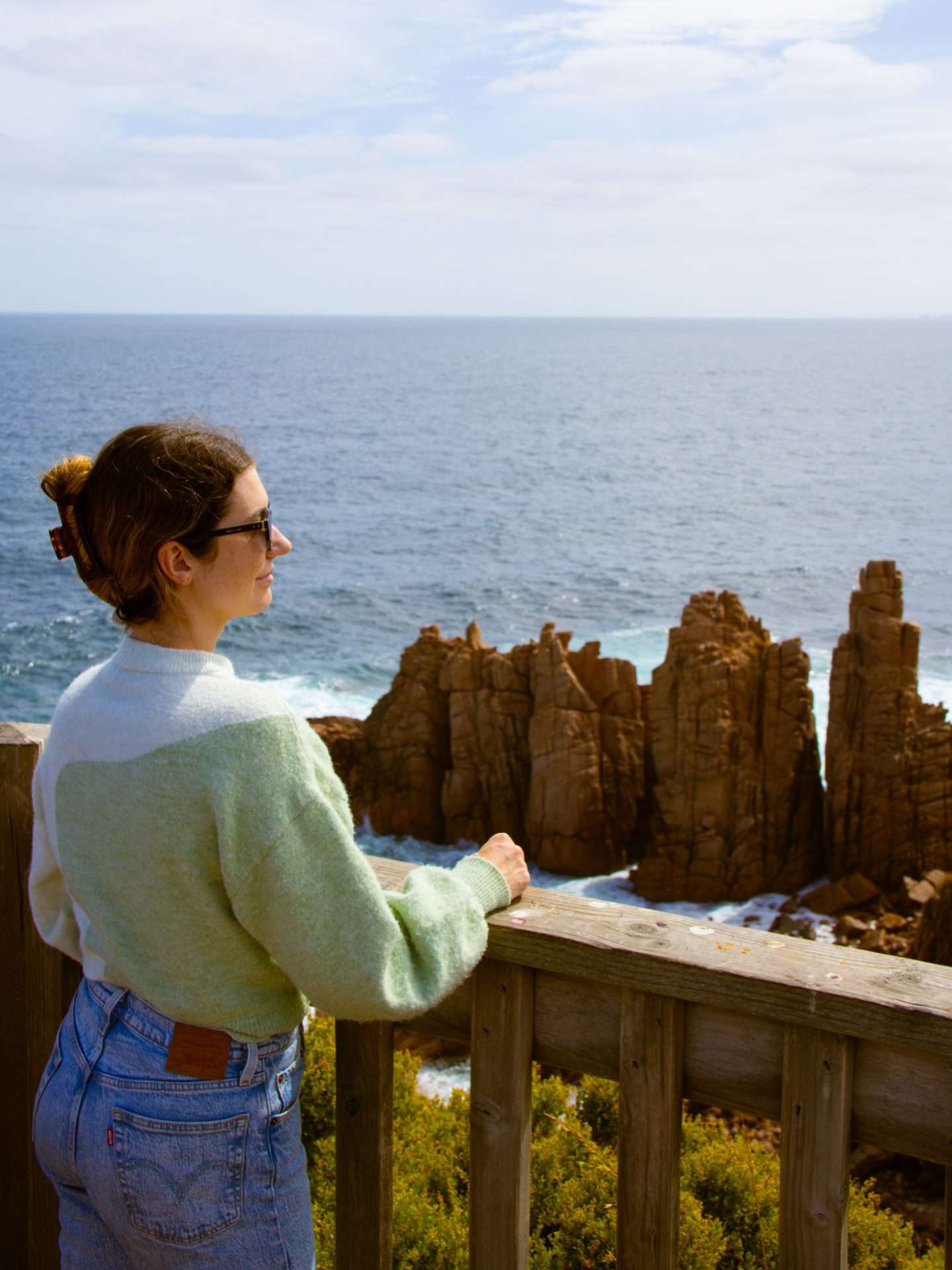
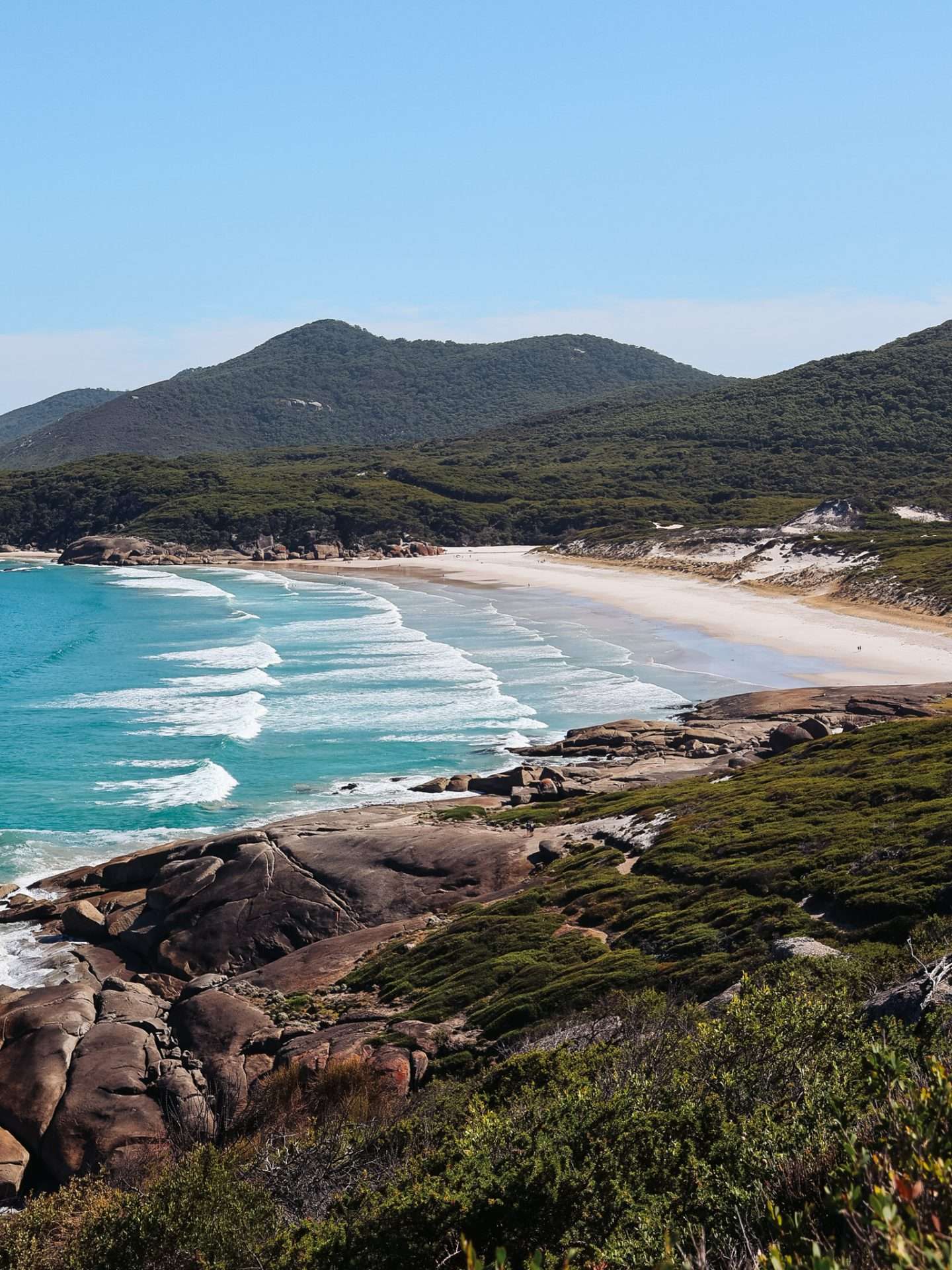
On day 8 of this itinerary Melbourne to Sydney you will travel on towards Wilsons Promontory National Park. Also known as “The Prom,” this is considered one of the most beautiful national parks in Australia. Among other beautiful beaches, you will find Squeaky Beach which itself was voted the most beautiful beach in all of Australia in 2024. Hike the 13-km Coastal Bay Walk that takes you from one beautiful beach to another, and don’t forget to take a refreshing dip along the way!
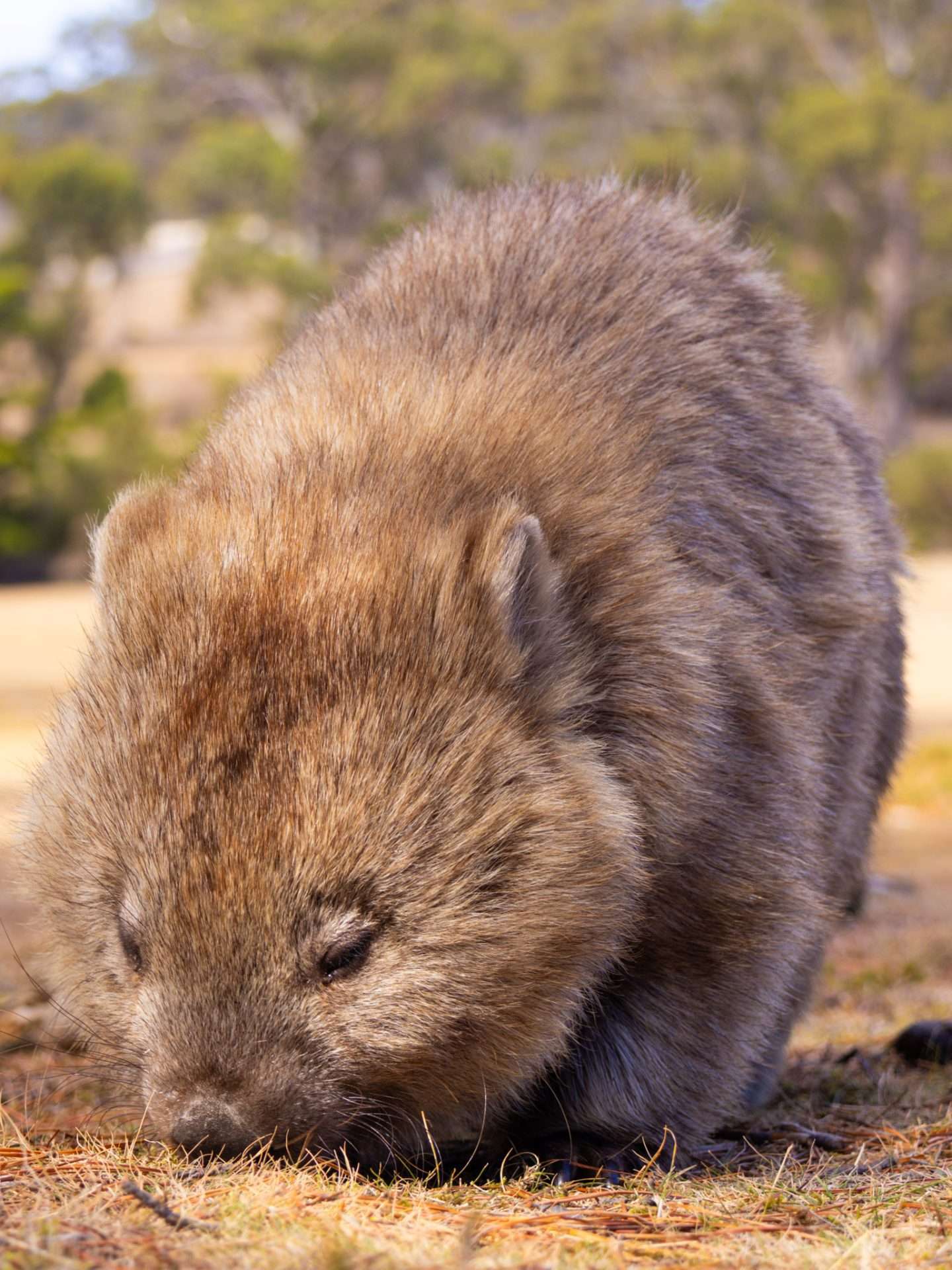
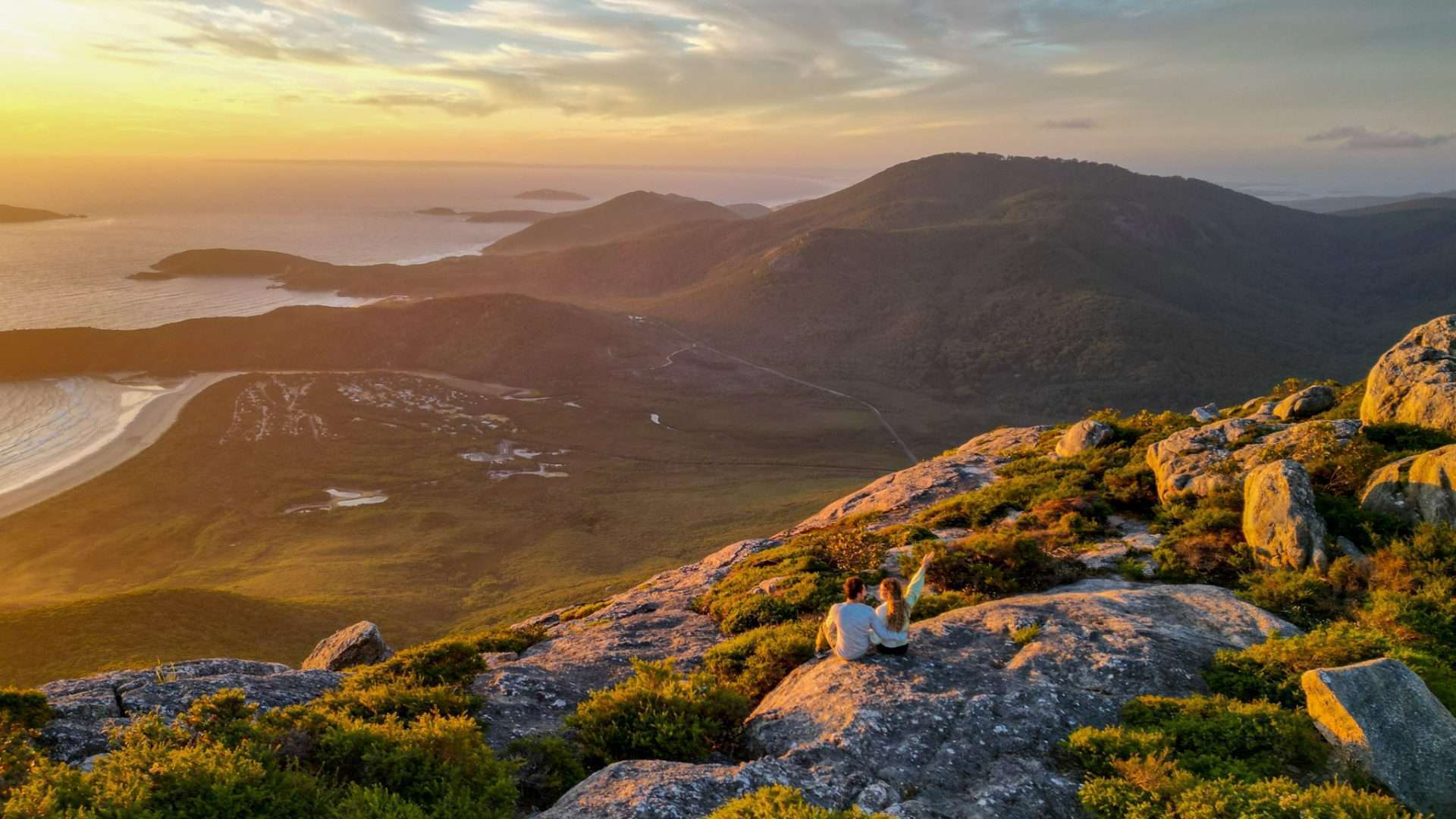
Wilsons Promontory National Park stole our hearts mainly because of its lovely residents. Because in addition to emus and kangaroos, you will also find wombats! Hike the Prom Wildlife Walk in the afternoon when you are most likely to see these adorable animals. Afterwards, head toward Mount Oberon, grab a drink if you like, and get ready for a spectacular sunset. From here you also have an insane view of the entire national park.
Where to stay
- Camping: Sleep best at the Tidal River Campground. Not only is this campground right on the beach, this is also where most of the hikes begin. In addition, chances are you will see a wombat sniffing around the campsite at night.
- Hotel: There are no accommodations in the park itself, but the Black Cockatoo Cottages are very close by. Nice to retreat to the cozy cabins after a full day of hiking.
Day 11 – 12: Raymond Island
+/- 260 km ● 3h15 drive
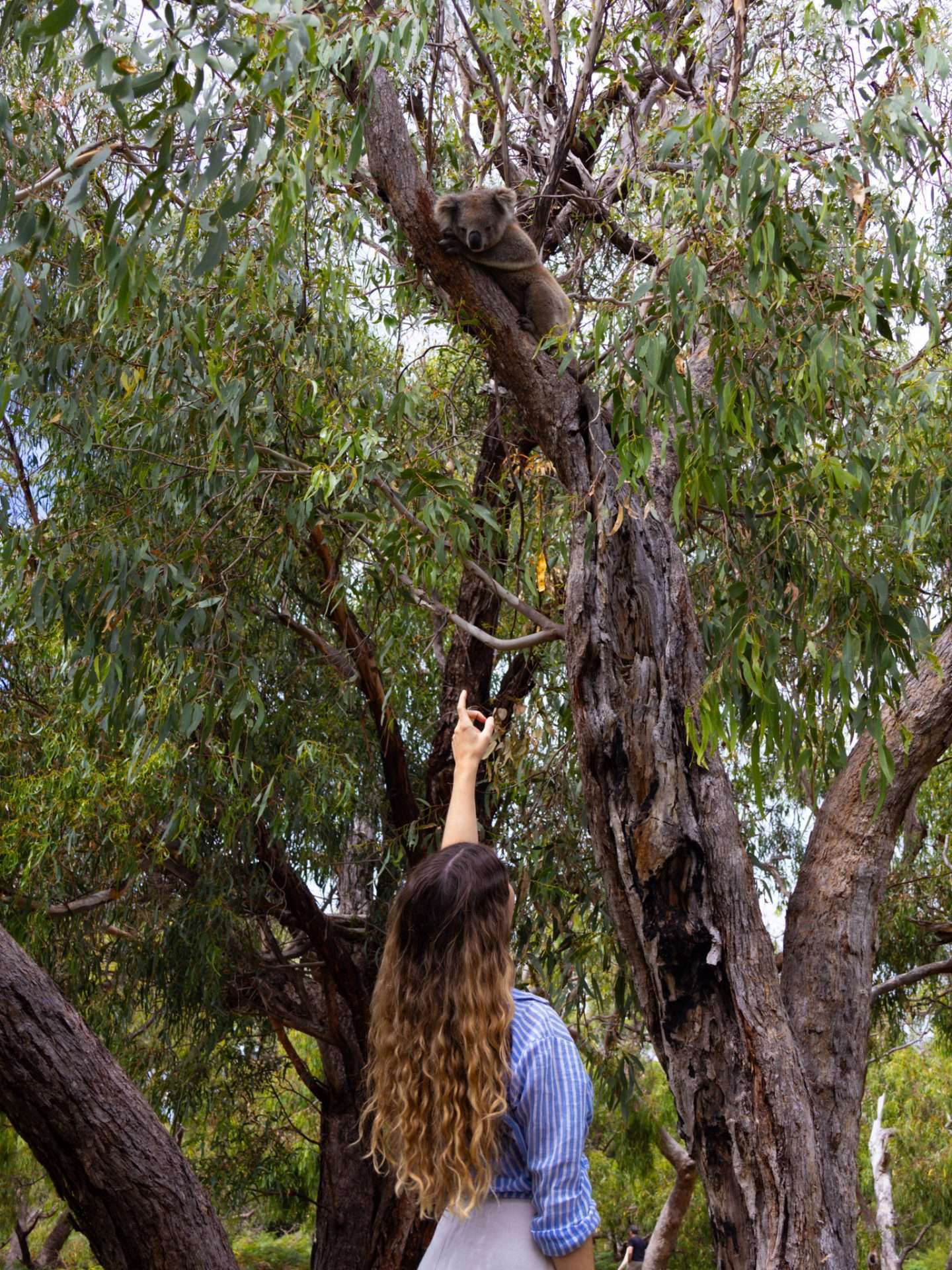
You will already notice that this itinerary from Melbourne to Sydney features a lot of Australian wildlife. Haven’t seen any koalas so far? Not to worry, because you will undoubtedly see those on Raymond Island! To reach Raymond Island, take the free ferry (for pedestrians) from Paynesville that will take you across in 10 minutes. On the island, you can follow the 2 km Koala Walk from the ferry. Raymond Island is home to more than 200 koalas, so there is almost a 100% chance that you will see one in their natural habitat. We saw as many as 23 during our walk. Above all, don’t forget to look up! The ferry runs daily between 7:00 a.m. and 11:00 p.m. and goes every 20 minutes (excluding holidays).

Where to stay Raymond Island
- Camping: Of the two campgrounds you have near the ferry in Paynesville, you should choose Paynesville Holiday Park. In this part of Australia you will also find frequent “rest stops” that are free to spend a night along the highway.
- Hotel: Mariners Cove is close to the ferry towards Raymond Island and these studios have a nice view also over the harbor.
Day 12 – 14: Eden
+/- 300 km ● 3h30 drive
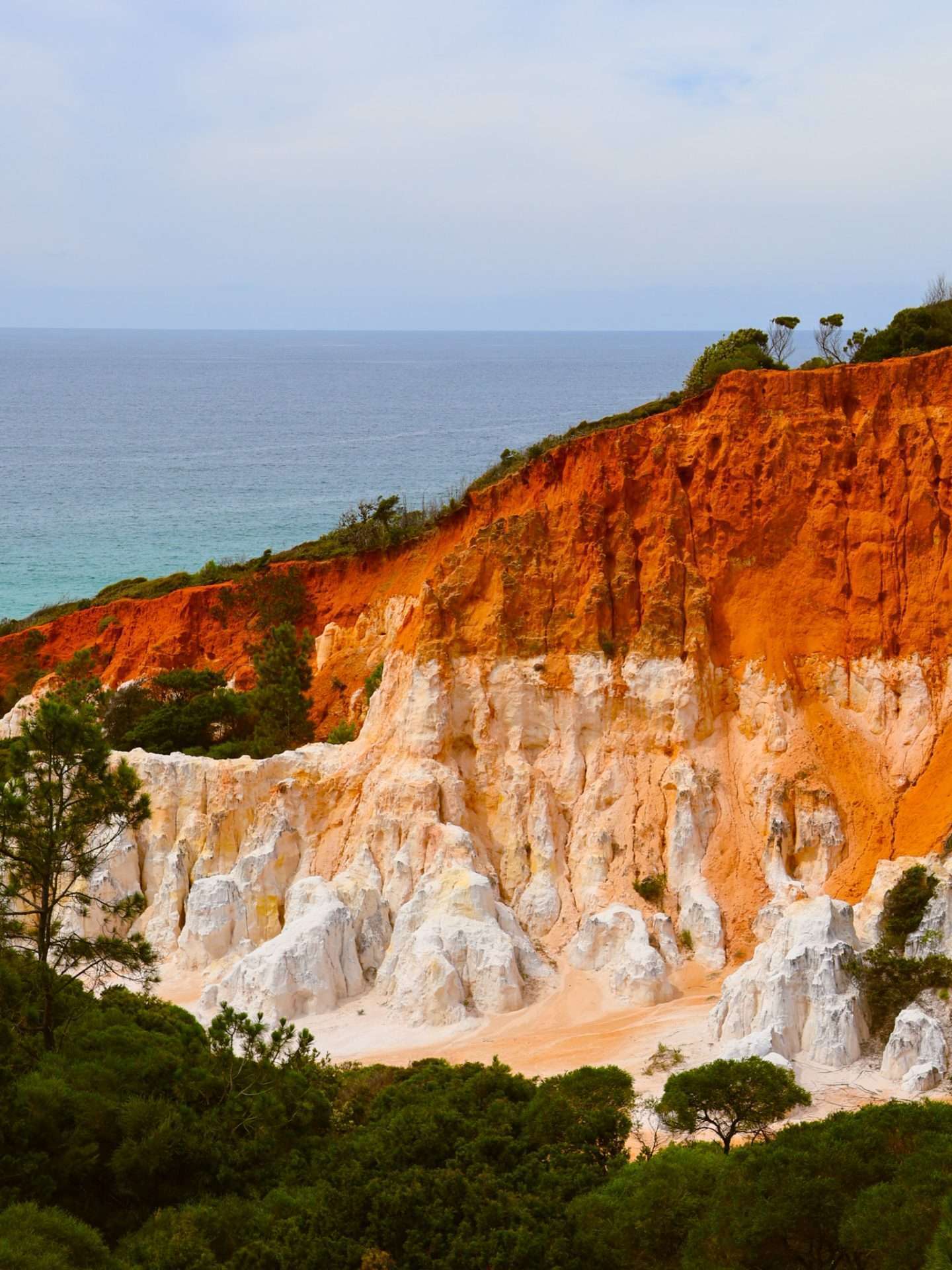
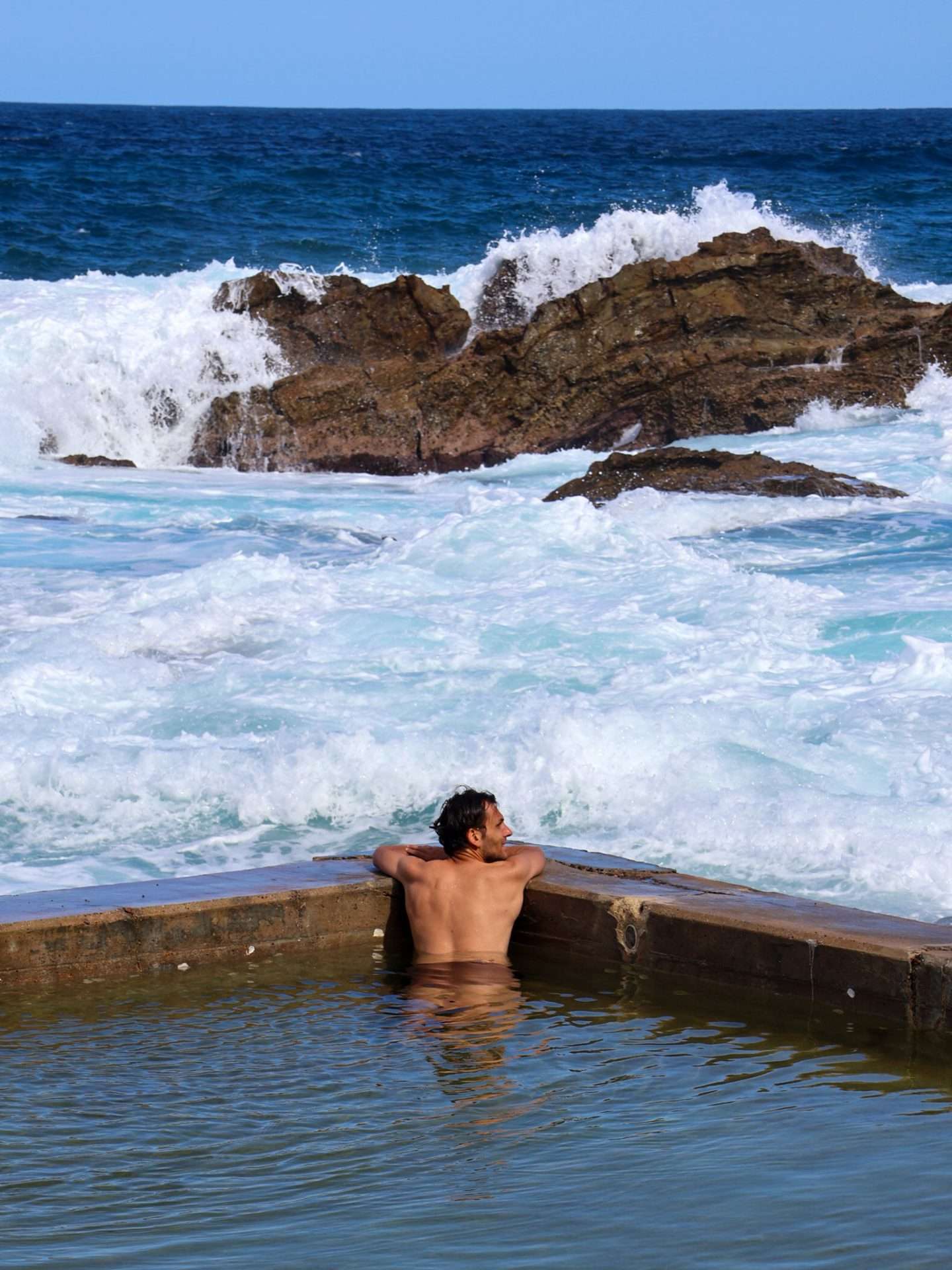
When you drive toward Eden, you leave the state of Victoria and enter New South Wales. First, make a stop at Lakes Entrance and the Gippsland Lakes. This is a nature reserve full of lakes, marshes and lagoons where you can explore the water with a SUP or kayak. Eden itself is one of the best places along the East Coast to spot whales between May and November! You also have the nearby Beowa National Park here, where you can do the Pinnacles Loop Walking Track, among other things. Finally, New South Wales is known for its cool “rock pools. These pools, often carved from the rocks on the rugged coastline, are not only fun to swim in, but also very photogenic.
Where to stay in Eden
- Camping: The campsite Reflections Eden is right on the beach and a lake so no matter where you stand you have a nice view! You also have spacious sites for your RV here.
- Hotel: If you are in Eden then you must be in Hotel Australasia stay. Built in 1904, today you can still find many historical features and feel like you have stepped back in time.
Day 14 – 16: Jervis Bay
+/- 340 km ● 4h drive
You’ll cover some miles today as well, but you can make some nice stops along the way. So you’ll pass by another insane rock pool in Bermagui called “Blue Pool,” where you’ll swim while ocean waves lash over the edge. Then you can make a stop in Batemans Bay, which is known for its oysters. At Oyster Shed on Wray taste them fresh overlooking the sea!
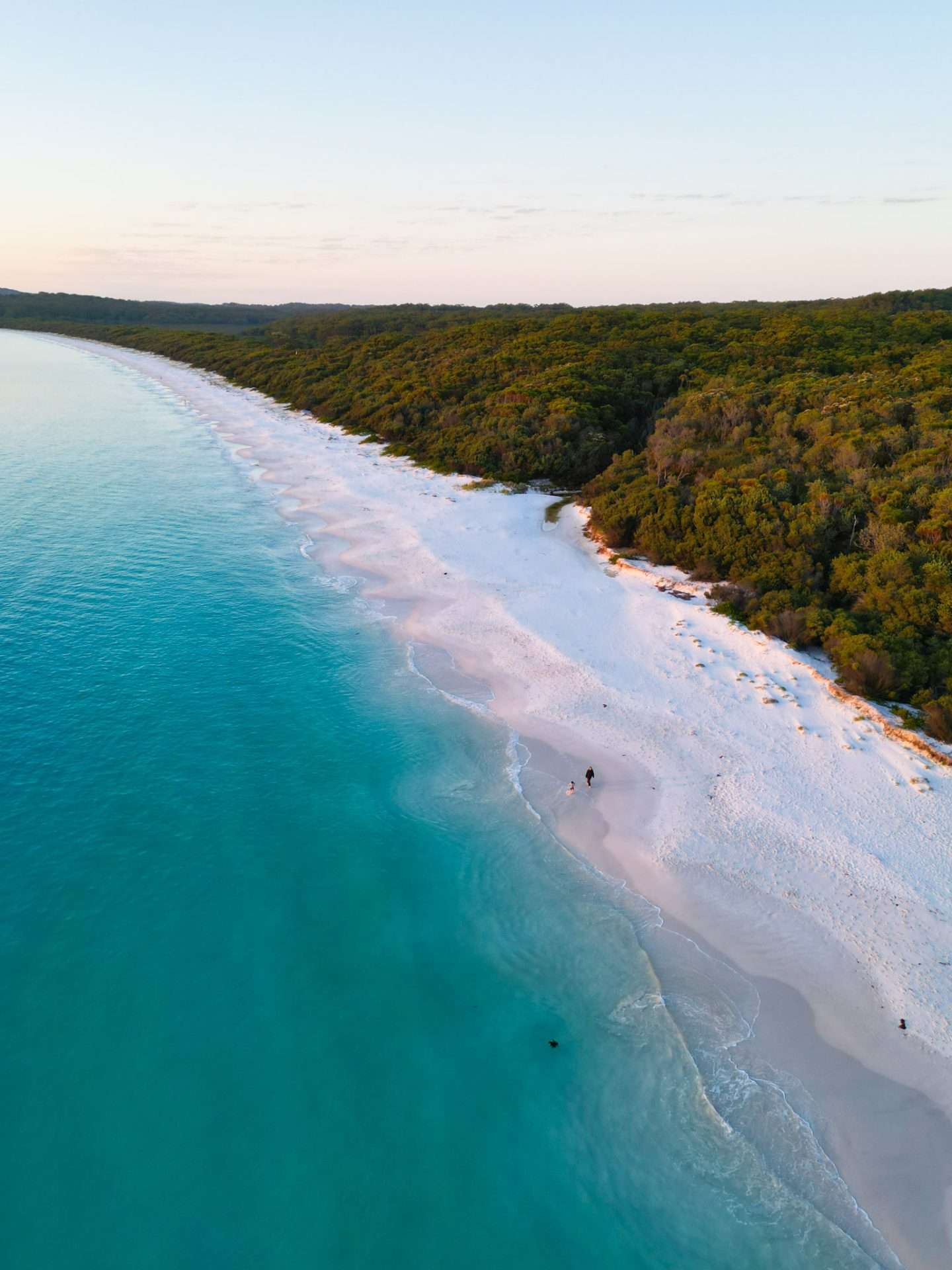

Jervis Bay is known for its beautiful beaches. For example, there you have Hyams Beach which some say has the whitest sand in the world. We ourselves found Murrays Beach very nice to spend a day relaxing on the beach and even saw dolphins playing in the water off the coast. Other nice beaches in Jervis Bay include Little Hyams Beach, Chinamans Beach and Greenfield Beach. Many of these beaches often have public barbecues as well. Very nice to prepare your dinner here in the evening while watching the sun set!
Where to stay Jervis Bay
- Camping: We were at the “Green Patch Campground” in the national park and it was fantastic! Right on the beach and with good facilities and at night there are regular kangaroos. Booking on time is again recommended.
- Hotel: At the The Woods Farm Jervis Bay you just don’t want to leave. Here you will stay in a glamping tent or cute cottages on a farm. And feeding the farm animals just gets you in for free!
Day 16 – 18: Blue Mountains
+/- 275 km ● 3h30 drive
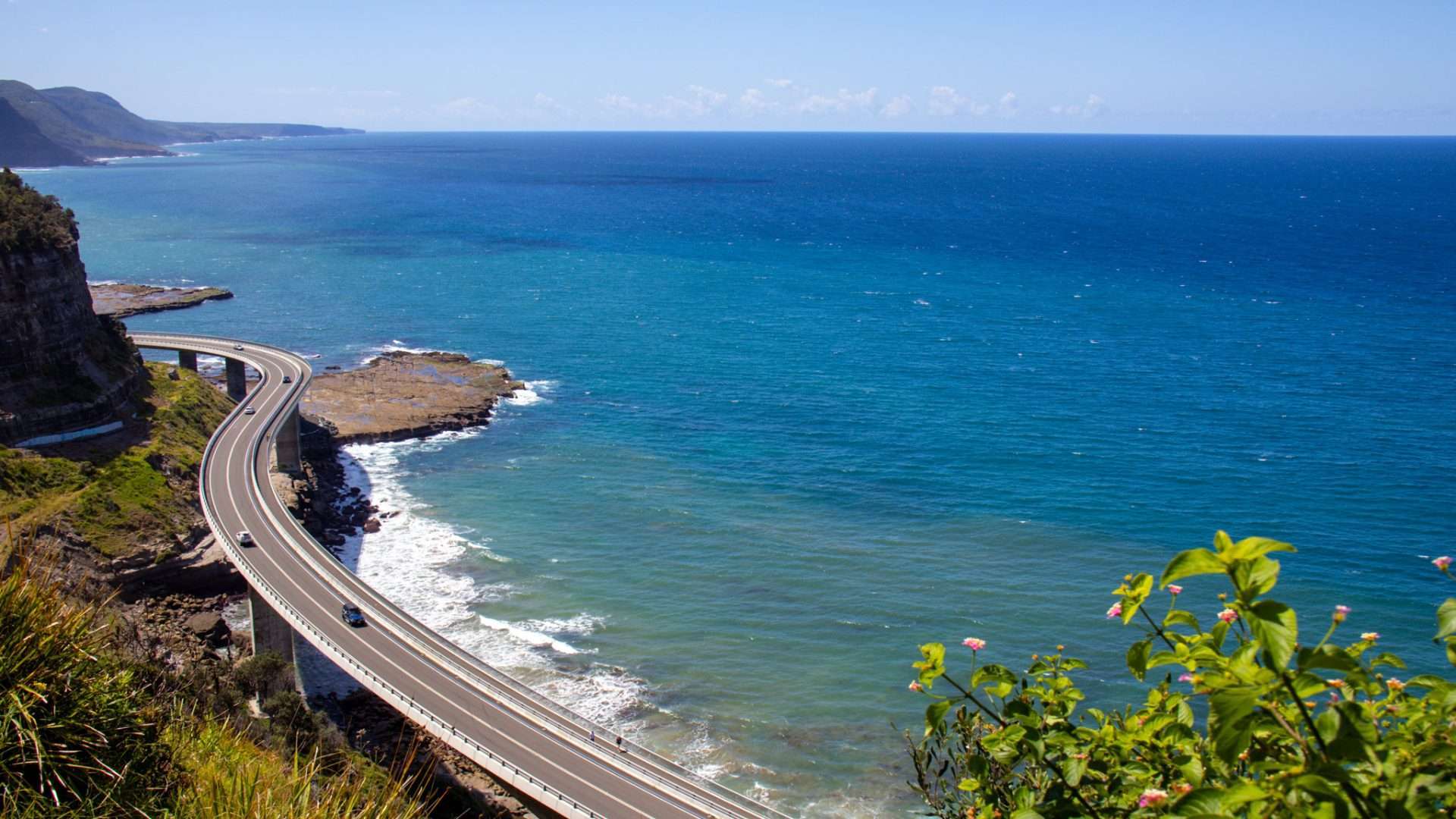
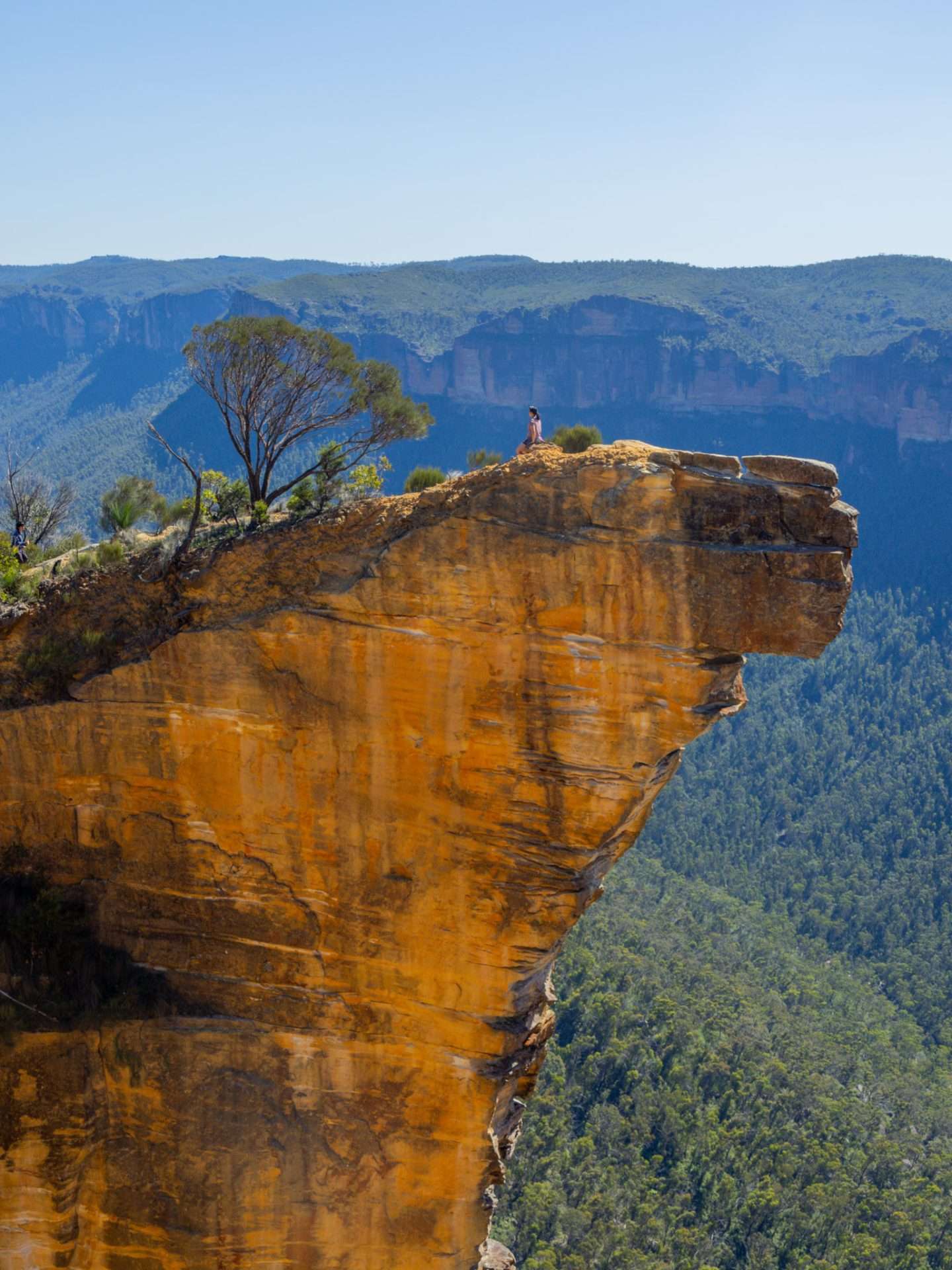
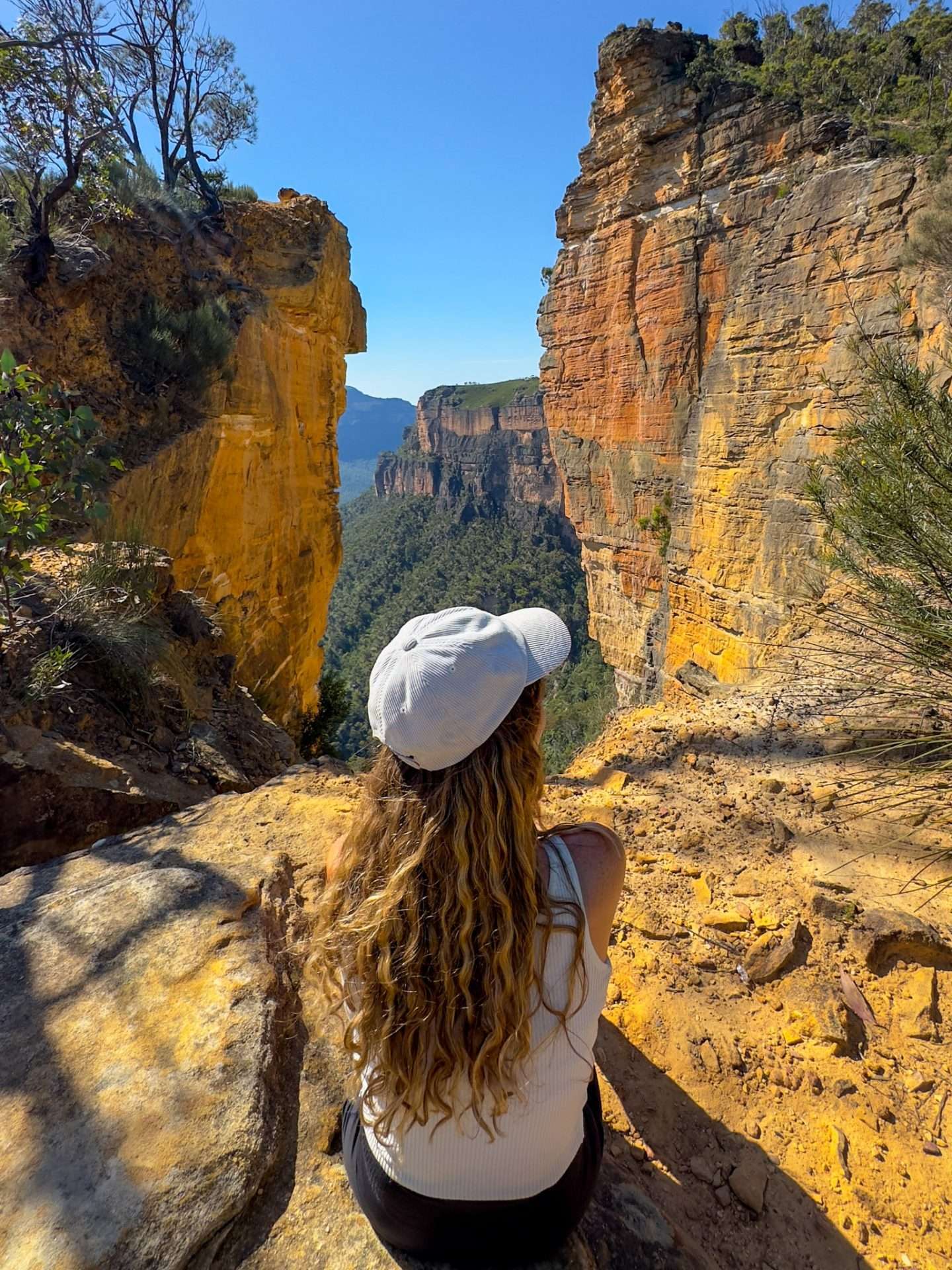
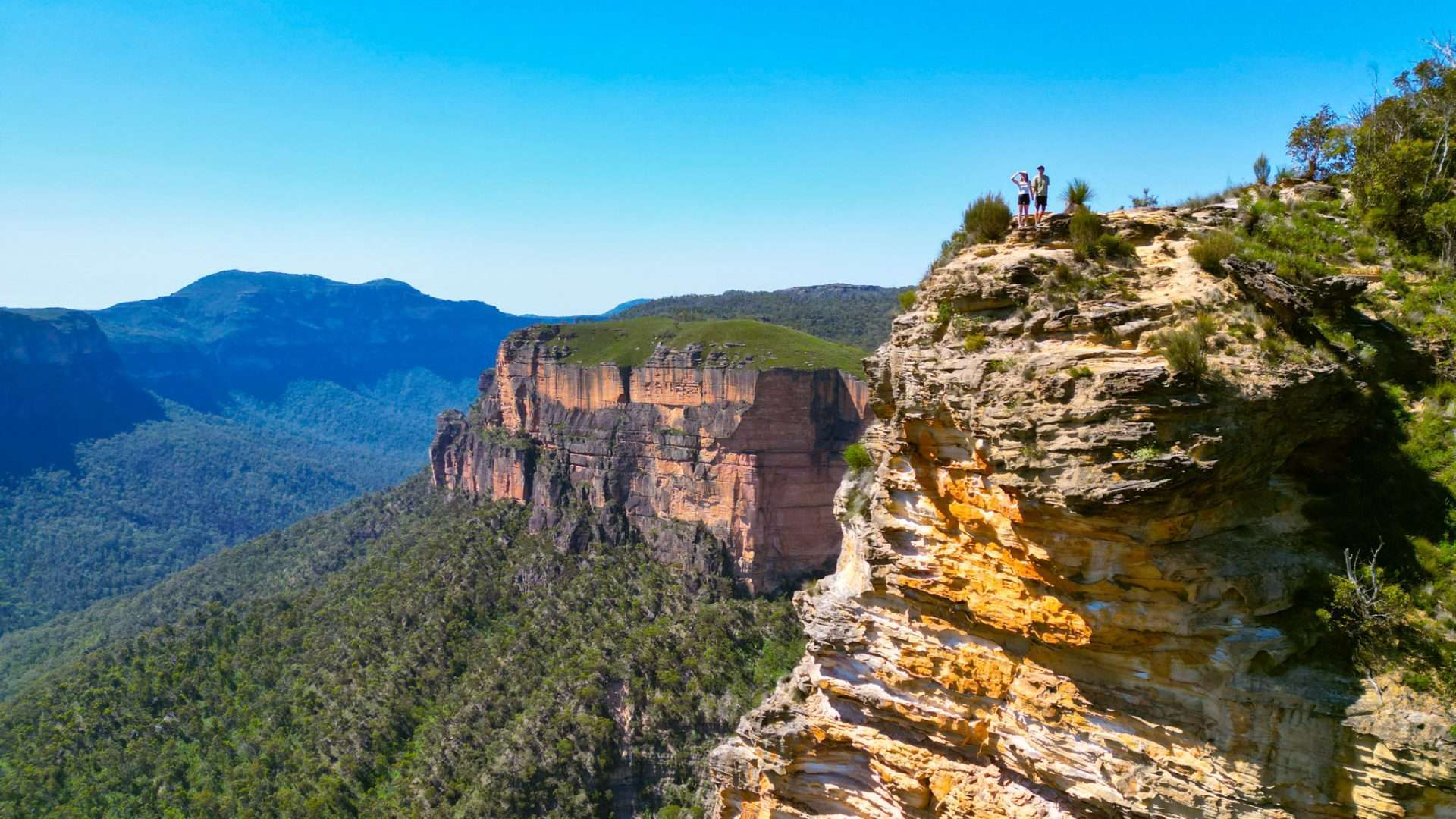
Today a delightful drive awaits you: the Grand Pacific Drive! When driving toward the Blue Mountains National Park, be sure to go via the Sea Cliff Bridge. This handsome piece of architecture gives you an insane view along the coastline. Then drive on toward the Blue Mountains, where you will once again find yourself in a completely different landscape. Here you can go on endless hikes, not missing the Prince Henry Cliff Walk and Grand Canyon Track. Furthermore, in the Blue Mountains you have numerous spectacular viewpoints that are especially worth seeing during sunrise or sunset, such as Evans Lookout, Lincoln’s Rock, Govetts Leap Lookout and Echo Point.
Where to stay Blue Mountains
- Camping: The great thing about the Blue Mountains is that you have wonderful campsites that are free too such as Blackheath Glen Reserve, Old Ford Reserve and Mount York Campground. Arriving on time is recommended if you want to secure a spot.
- Hotel: In the Blue Mountains, you have plenty of fun and unique accommodations. Both Kyah and Whispering Pine Cottages are two gems waiting to be discovered.
Day 18 – 21: Sydney
+/- 100 km ● 1h30 drive
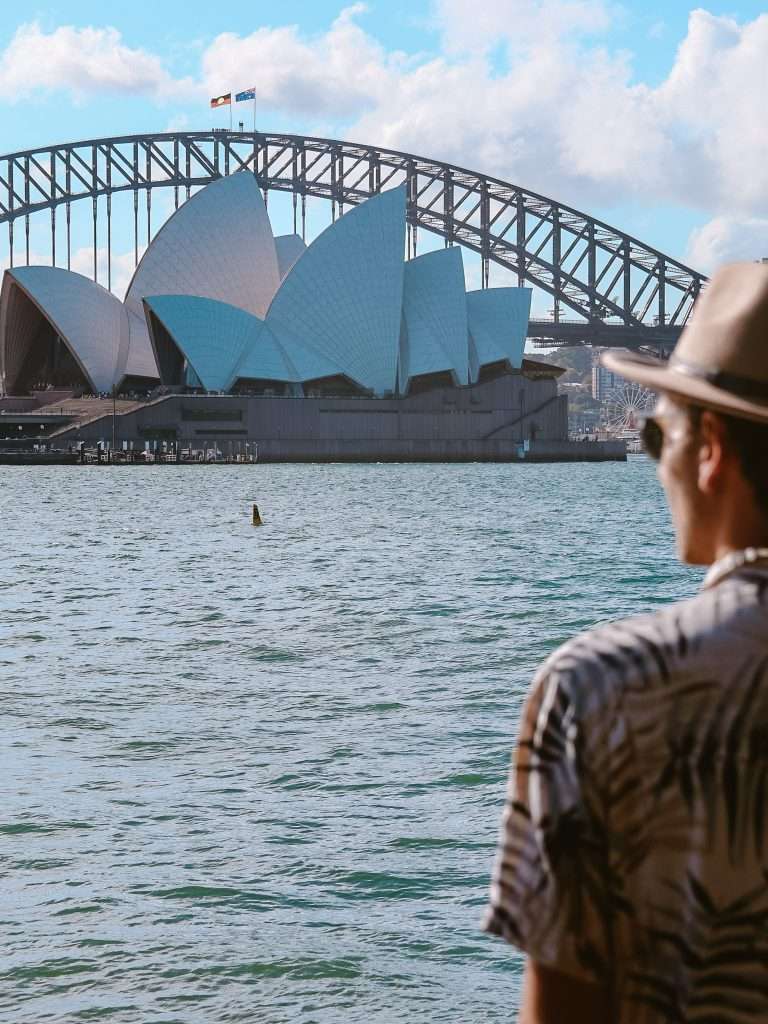
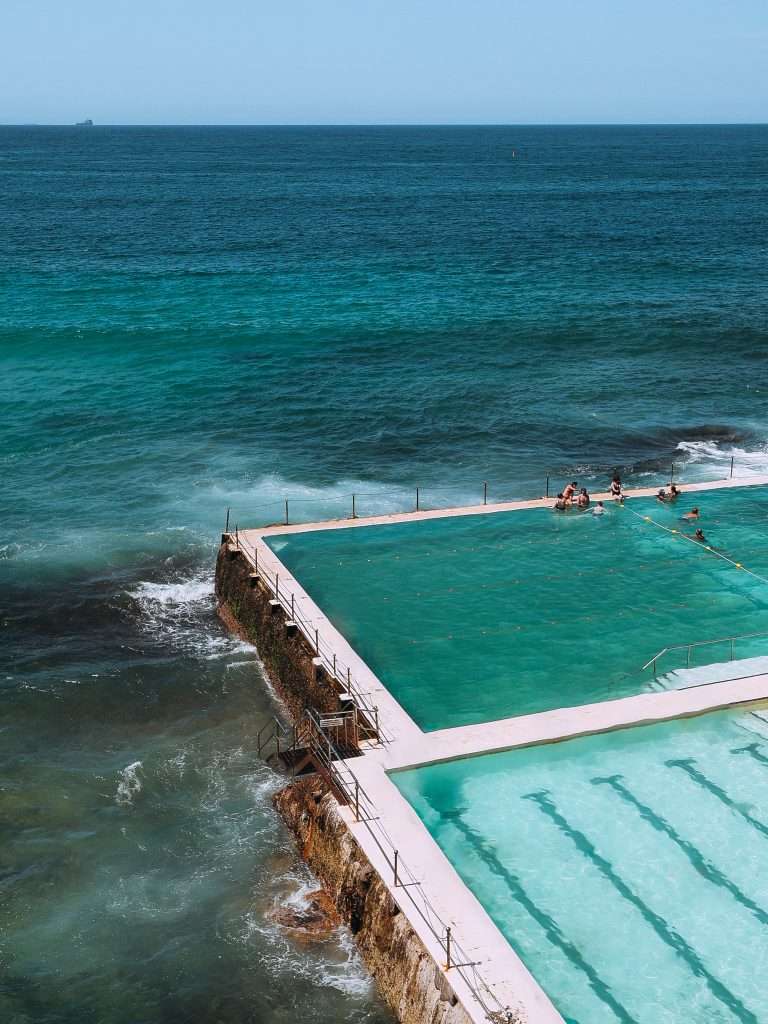
We end this itinerary in the amazing Sydney! There is always something to do here and you can easily spend several days here. On your first evening, we recommend a sunset dinner cruise taking you past the Opera House from the water. We did this and loved it as a first introduction to the city! Spend a day visiting highlights such as the Sydney Opera House, the Harbour Bridge and the Royal Botanical Gardens. Furthermore, be sure not to skip the Coogee to Bondi Walk, where you pass some beautiful beaches such as the world-famous Bondi Beach. End the day at Observatory Hill Lookout for one last sunset in Australia!
TRAVEL TIP: Drop off your car or campervan before exploring Sydney so you save some money. In fact, in Sydney you have an excellent public network and can do a lot on foot if you stay in the CBD.
Where to stay in Sydney
- Campsite: We ourselves were at the campsite Discovery Parks – Lane Cove because of its easy access to downtown Sydney.
- Hotel: If your trip ends here, treat yourself by staying at the Four Seasons Hotel Sydney with a view of the Opera House! In turn, a nice, budget-friendly option is the Pacific House.
How to get to Australia
Both Sydney and Melbourne have a large, international airport that you can fly into. Keep in mind that from Europe it is an extremely long flight and you will suffer some jet lag on the first day. From the airport, you can use a Grab or public transportation to your accommodation.
Shorten or expand itinerary
You can also do this Melbourne to Sydney itinerary perfectly in two weeks if you have less time or want to use your time to see other parts of Australia. Take a day trip from Melbourne to the Great Ocean Road and then travel on to your next destination. You have several options here:
- Travel on towards Sydney as described here or take a domestic flight. After Sydney, you can continue exploring the East Coast as far as Cairns, a very popular itinerary which takes you past the Whitsundays and Fraser Island, among others.
- From Melbourne, take the ferry towards Tasmania and discover this amazing destination. Unknown is unloved but this was the highlight of our trip through Australia for us! Here you can read our ideal 2-week itinerary through Tasmania.
- After the Great Ocean Road, travel on toward Adelaide. From there you can head inland toward the Outback and the world-famous Uluru. Or book this 8-day tour to explore the Red Centre carefree in group!
Best travel time Australia
The seasons in Australia are reversed from those in Europe and also different for each area. That is, summer falls in December and January and this is also the high season. During these months you are most likely to have good weather but it is also crowded because of Australians having vacations. Spring (October-November) and autumn (February-March) are also good months to explore this part of Australia, when it is often less crowded.
Have you visited Australia yourself? Let us know in a comment below what your experience was with this amazing country! Looking for more information for your next trip? Please do not hesitate to contact us contact or feel free to email info@snoezelsontheroad.com