



Traveling to Kyrgyzstan promises an unforgettable adventure. Known for its rugged landscapes, majestic mountains, traditional yurts, and horses. It’s a country that feels truly authentic, still untouched by mass tourism. Here, every journey takes you from one adventure to the next. Kyrgyzstan is the perfect destination for exploring nature, experiencing local traditions, and hiking through breathtaking scenery. We spent a month exploring the country in a 4×4 car, and now we’re sharing our top travel tip. Find out everything you need to know in this Kyrgyzstan travel guide for a carefree adventure in the land of the nomads.
1) Is Kyrgyzstan safe?
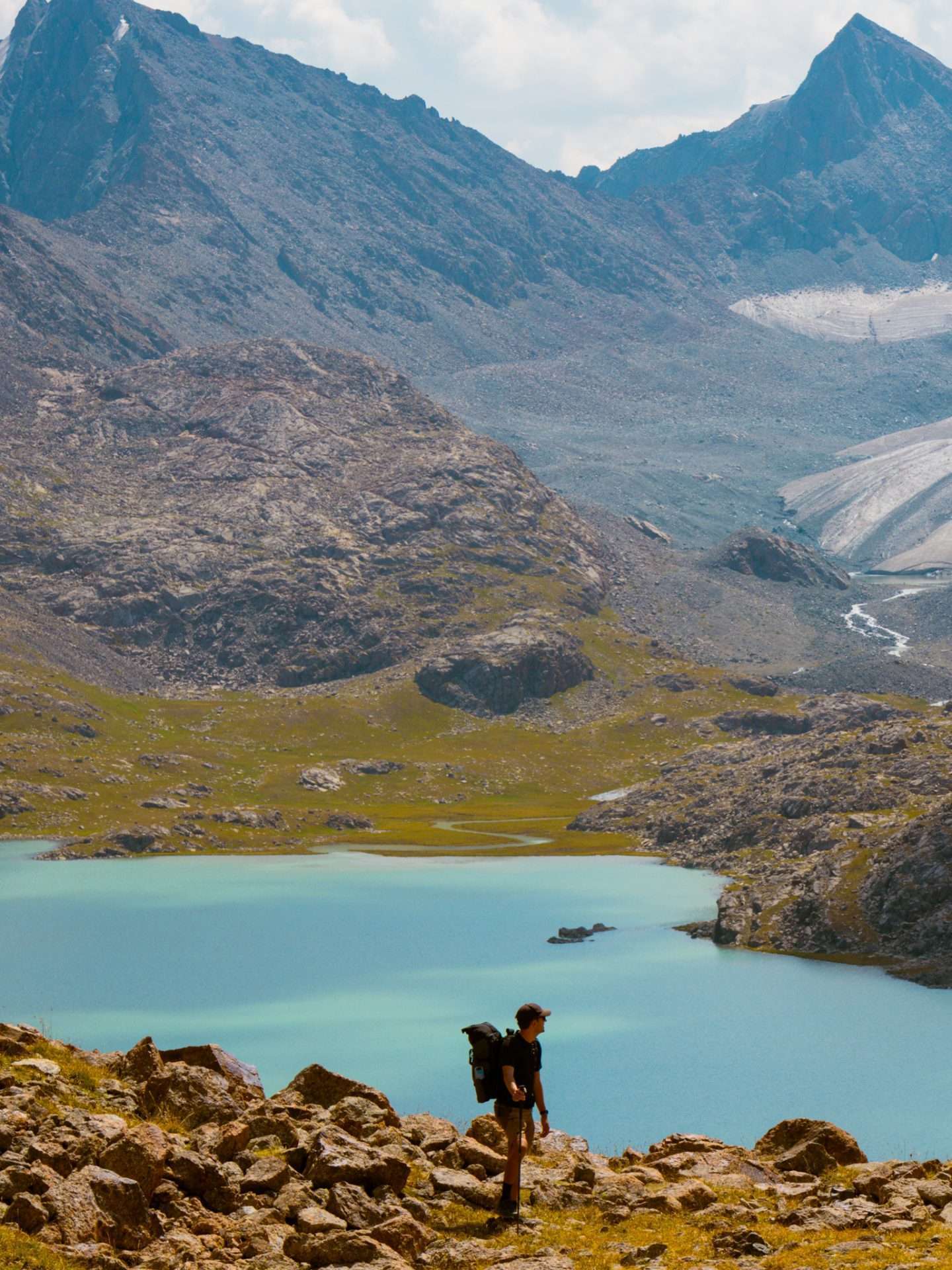
A common question, as unknown is often unloved. We can assure you that Kyrgyzstan is one of the safest countries in the world to travel through. The people are incredibly hospitable and are always ready to help you. Since it is also a low-populated country, you are often alone in nature. The only risks are that you are sometimes in places where there is no coverage. If something happens, it can take a while before help arrives. So be sure to always let people know where you are. If you are going on multi-day treks, be sure to let us know how long you will be gone and where you are going.

2) Visa on arrival
To travel to Kyrgyzstan, you do not need to apply for a visa in advance. Most countries, including Belgium and the Netherlands, qualify for a visa-on-arrival. When you land in capital city Bishkek you get a stamp in your passport and may stay in the country for up to 60 days. This visa is also free. However, you do need a valid international passport that is still valid for at least 6 months upon arrival in Kyrgyzstan.
3) Languages in Kyrgyzstan
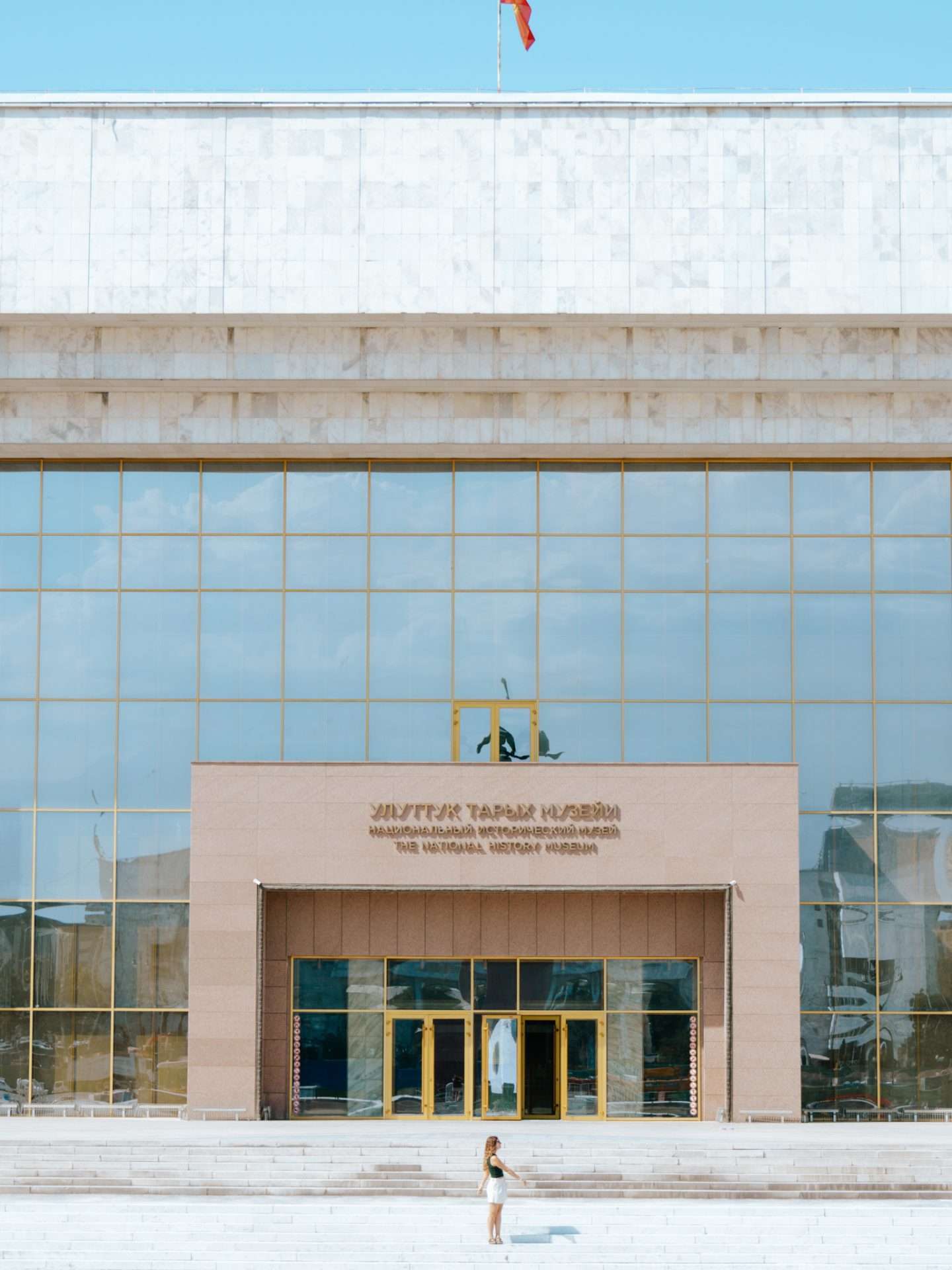
In Kyrgyzstan, the population speaks Kyrgyz and Russian, a relic of the Communist era. Because of limited tourism, Kyrgyz people barely speak English. Only in the capital Bishkek and especially the younger generation sometimes speaks English. Therefore, a travel tip for Kyrgyzstan is that with the necessary sign language and Google Translate you will already come a long way. In addition, it is useful to learn a few words of Kyrgyz to help you out:
- Hello = Salaam
- Sleep well = Kuttuu tün
- Thank you = Rahmat or Spasiba
- Palatable = Daamduu
- My name is = Menin atim
- Bye = Salamatta
4) Moving around Kyrgyzstan
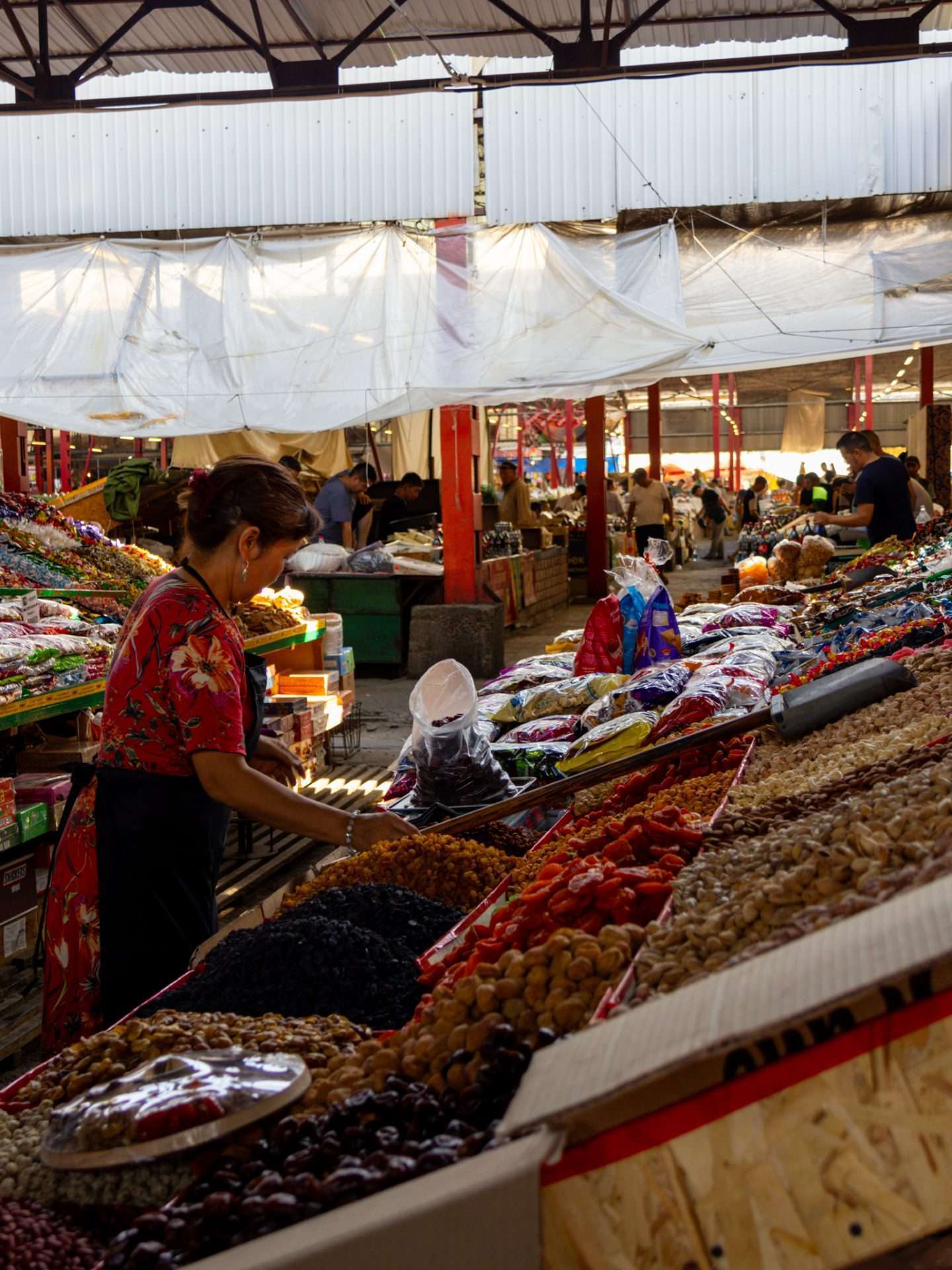
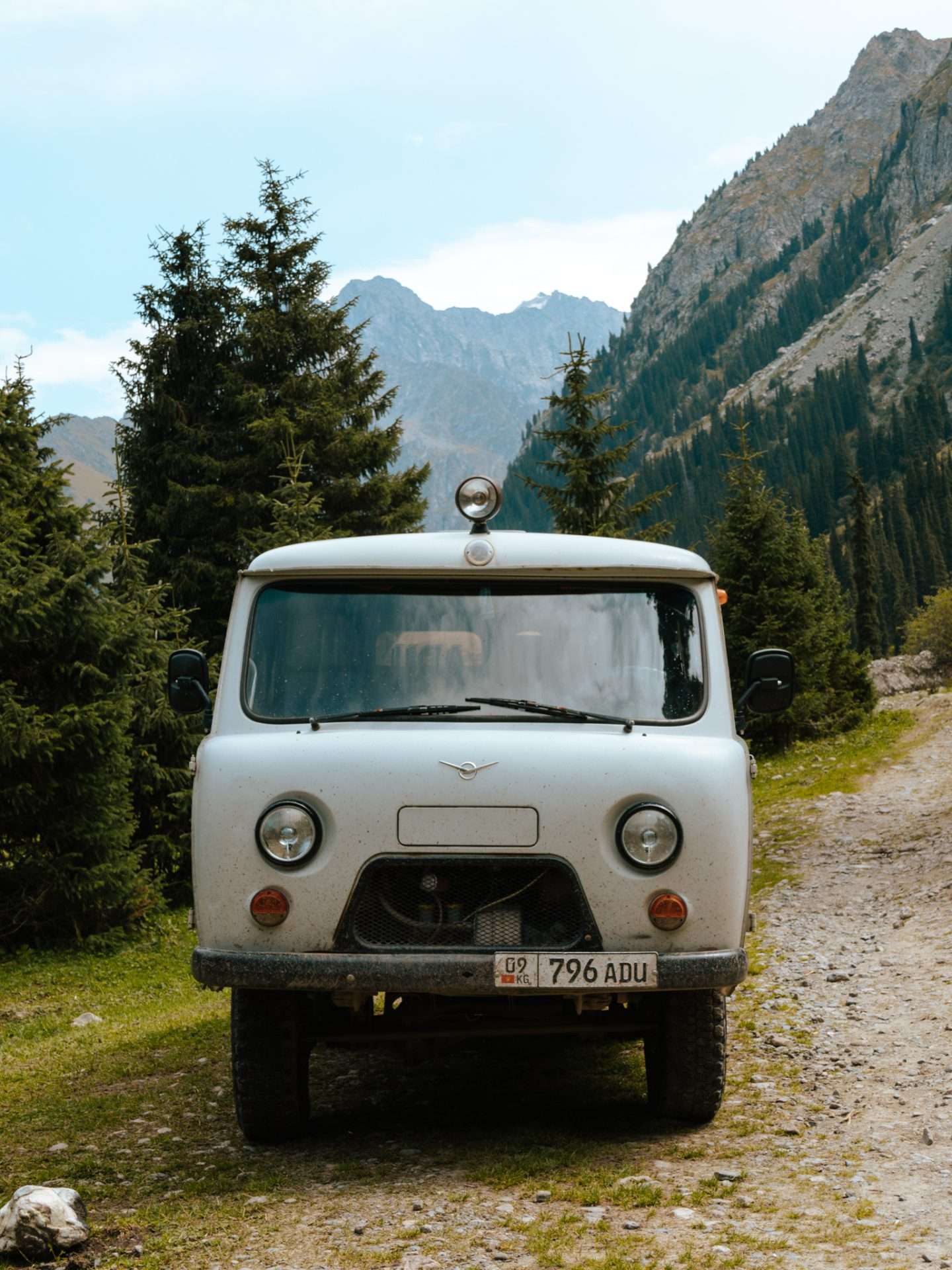
The best way to get around is with your own car. The roads in Kyrgyzstan are in poor condition or sometimes non-existent, driving on gravel or dirt roads. Therefore, you really do need a 4×4 vehicle. We found driving ourselves in Kyrgyzstan a unique experience that just made the travel experience better! Quite an adventure, but it gives you the freedom to go wherever you want. An alternative is to use the marshrutka to get around. This is the public transportation in Kyrgyzstan and are minibuses that run between the main cities. A very local and cheap way to travel, but you do not always get everywhere. You can solve this by asking for cabs in the cities and villages. There is always someone willing to take you to your destination.

5) Infrastructure and roads
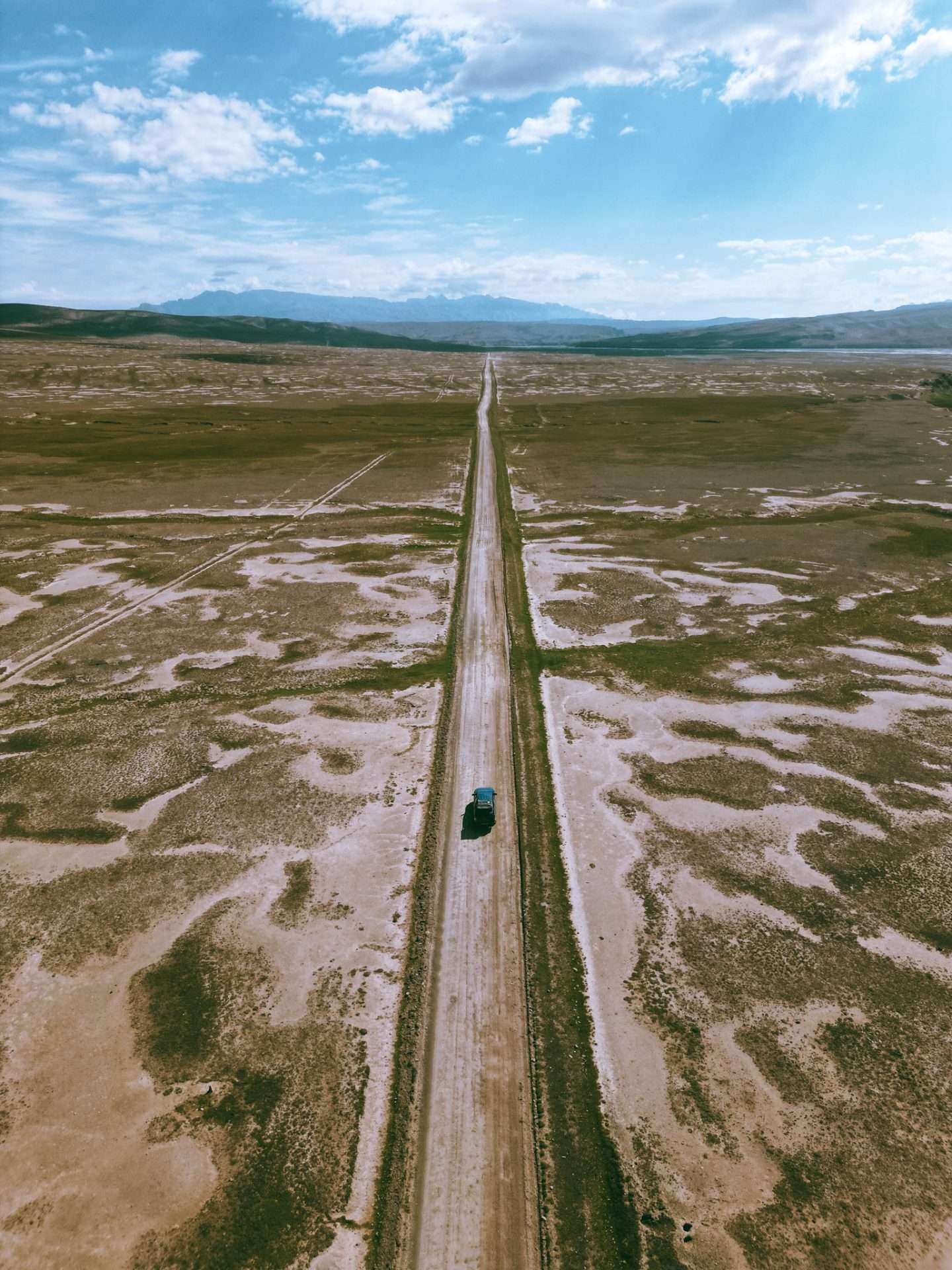
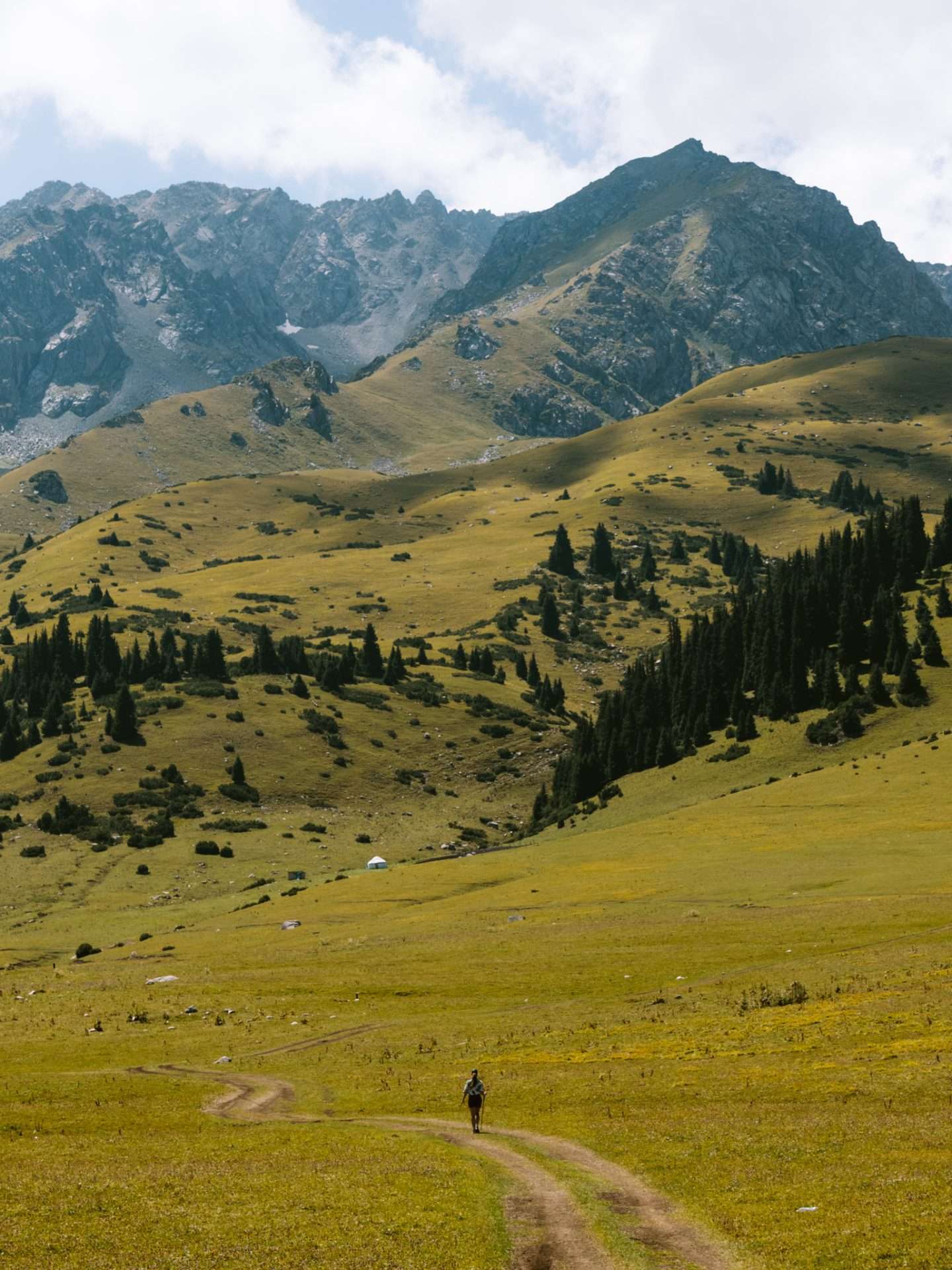
Before we left for Kyrgyzstan we heard that the roads are not in the best condition, and that was certainly not an underestimate. Around Bishkek and between the big cities, you do have paved highways. But once you go to the smaller villages or where there are no buildings, the roads are often full of potholes. In addition, it is also not abnormal for the “road” to be a dirt or gravel road. So when you get a route in Google Maps, sometimes it may send you via the shortest route in distance. But still it will take you longer because of the poor condition, and sometimes it may be better to drive via the usual highways.
TRAVEL TIP: The police in Kyrgyzstan regularly check for speeding. So always stick to the speed limit, or you will have a fine on your leg.
6) Budget Kyrgyzstan
Kyrgyzstan is certainly not an expensive travel destination. The local currency is Kyrgyz SOM and €1 is about 90SOM. If, like us, you are going to rent a car, this will probably be your biggest expense. Keep in mind that a 4×4 car is often more expensive, but an absolute must in Kyrgyzstan! If you travel by public transport then you will often pay less than €5 for a ride of several hours. Cabs to remote places are often expensive though. For the overnight in a yurt you pay on average between 2500SOM (€27) and 3000SOM (€32) per person, but this is always with dinner and breakfast included. If you eat out in Kyrgyzstan, you will spend between €5 and €15 per person for food and drinks.

7) Internet coverage
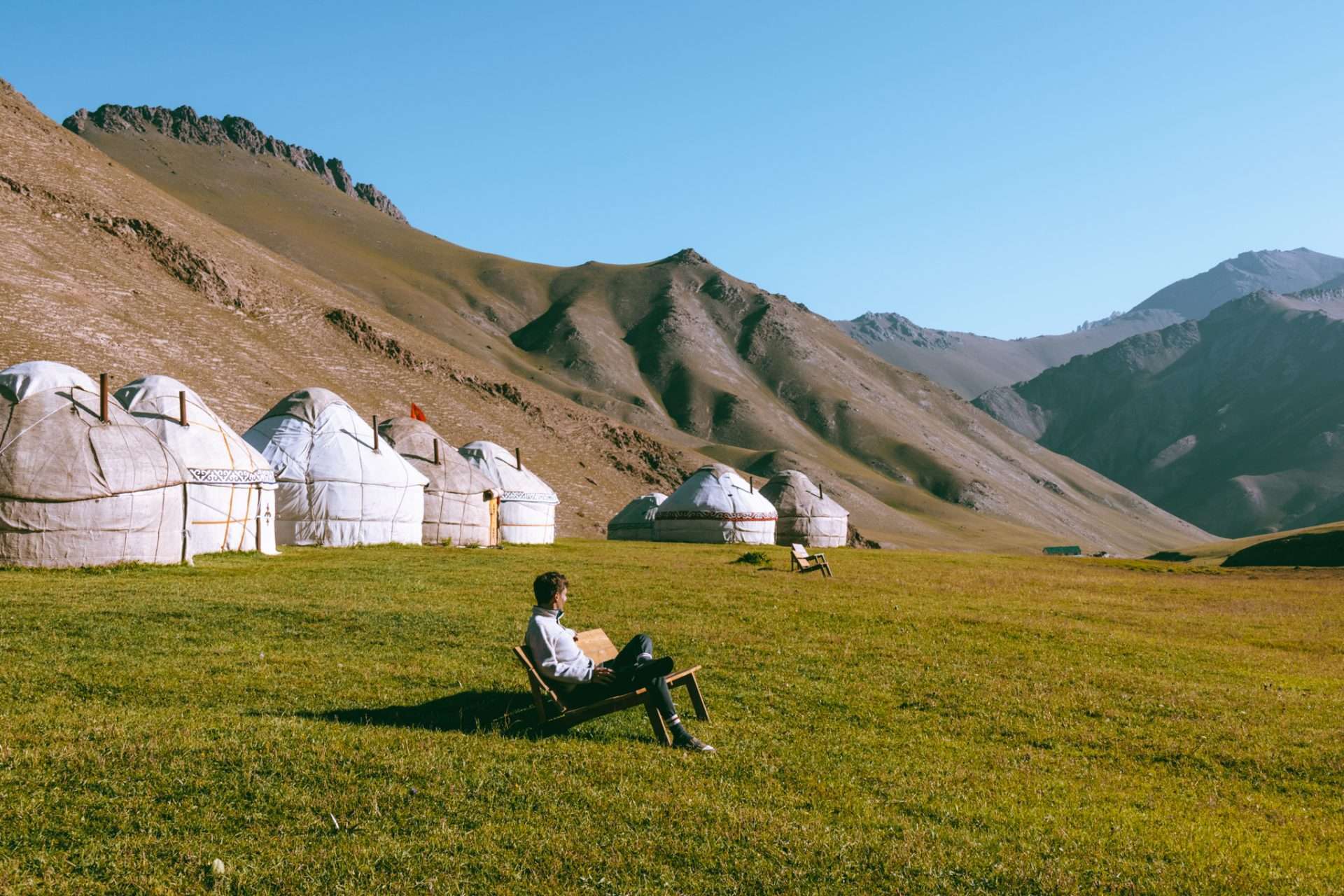
Kyrgyzstan is the ideal place to go offline for a while. Often you don’t have a choice either, because especially when you are in the mountains, there is often no coverage. In the cities there is 4G, but it is not uncommon for the Internet to be down even once. We recommend you use a local SIM card in Kyrgyzstan, as it is often stronger than an eSIM. The best provider in Kyrgyzstan is Beeline and you can buy a SIM card at the airport or in one of the larger supermarkets such as Globus. If you are in a remote area such as Tash Rabat, then some yurt camps may offer wifi, but this is often for an additional fee.
8) Community Based Tourism (CBT)
Kyrgyzstan operates on the basis of Community Based Tourism. This initiative brings travelers into contact with the local community through guest houses, organized treks, local guides and general advice. In every city you will find a CBT where you can go as a traveler for all your questions. They will give you tips on hikes, arrange overnight stays in remote yurt camps or help organize horseback rides. Some CBTs have formal offices; others are in people’s homes or guesthouses. In our Kyrgyzstan Travel Guide & Google Maps you will find the contact information and addresses of all CBTs in Kyrgyzstan!
9) Altitude sickness
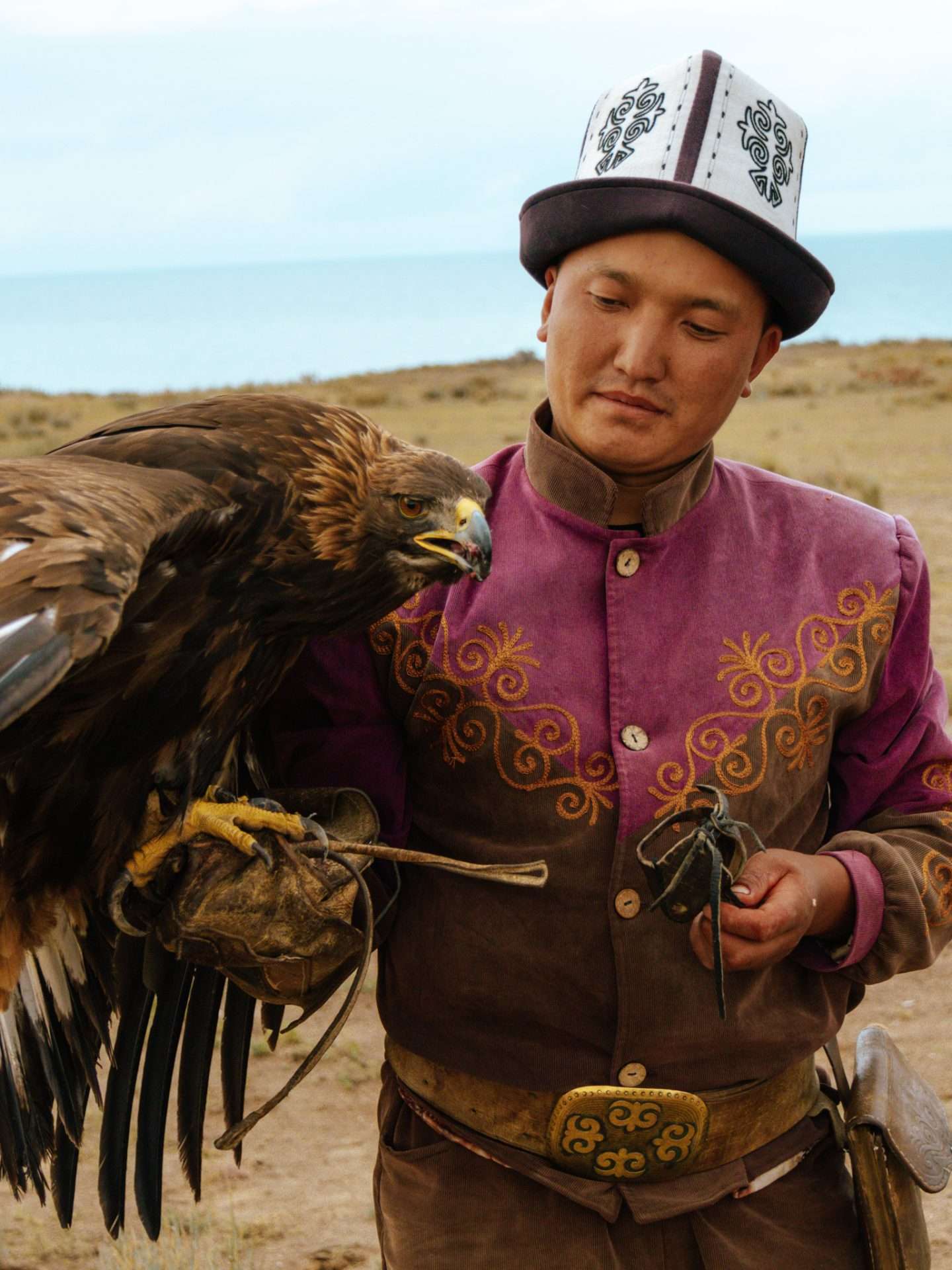
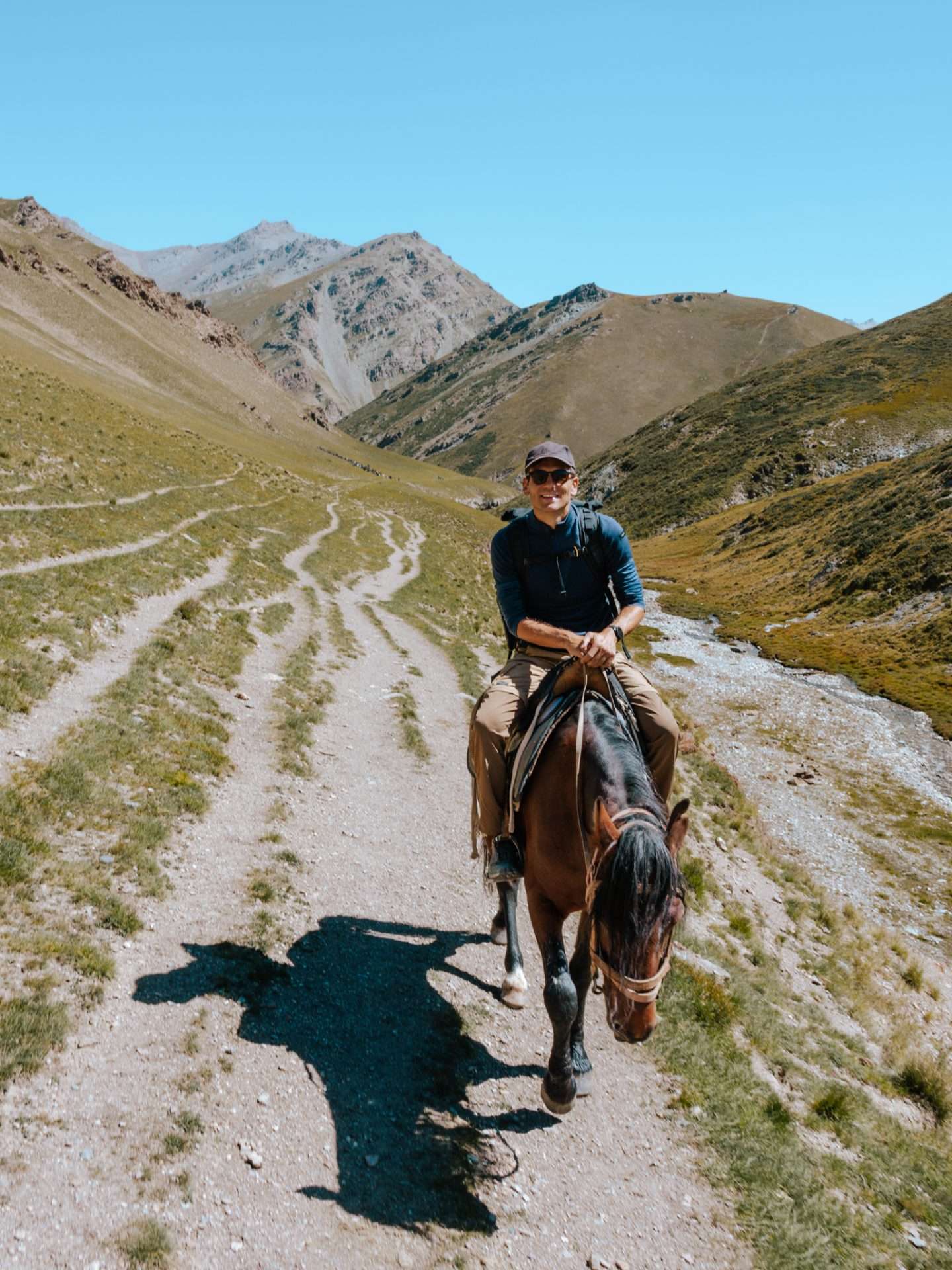
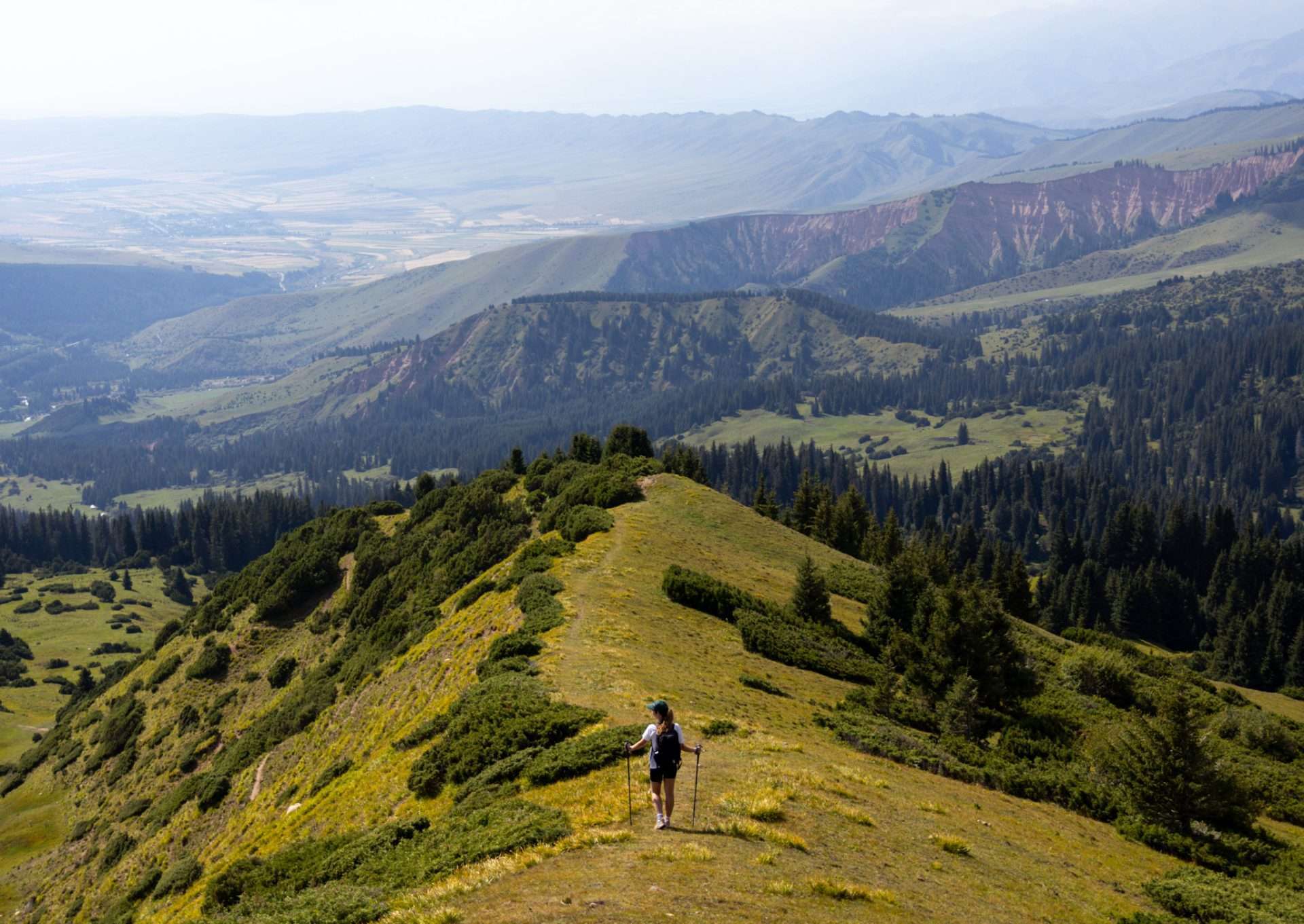
With a country made up of 90% mountains, you are also often at a high altitude, something you are not used to if you are from Belgium like us (or live by the sea). So you may be a little light-headed at first, especially if you climb too fast. When you travel around Kyrgyzstan, you do get used to the altitude after a while. For example, we started our tour in Bishkek (800m), then went a few days to Jyrgalan (2200m) and then began our trek to Ala Kol Lake at 3500m. In addition, to be on the safe side, take pills for altitude sickness and always drink plenty of water. If during a hike you feel that you get a headache, shortness of breath and/or nausea, descend back to a lower altitude.
10) Facilities yurt camps
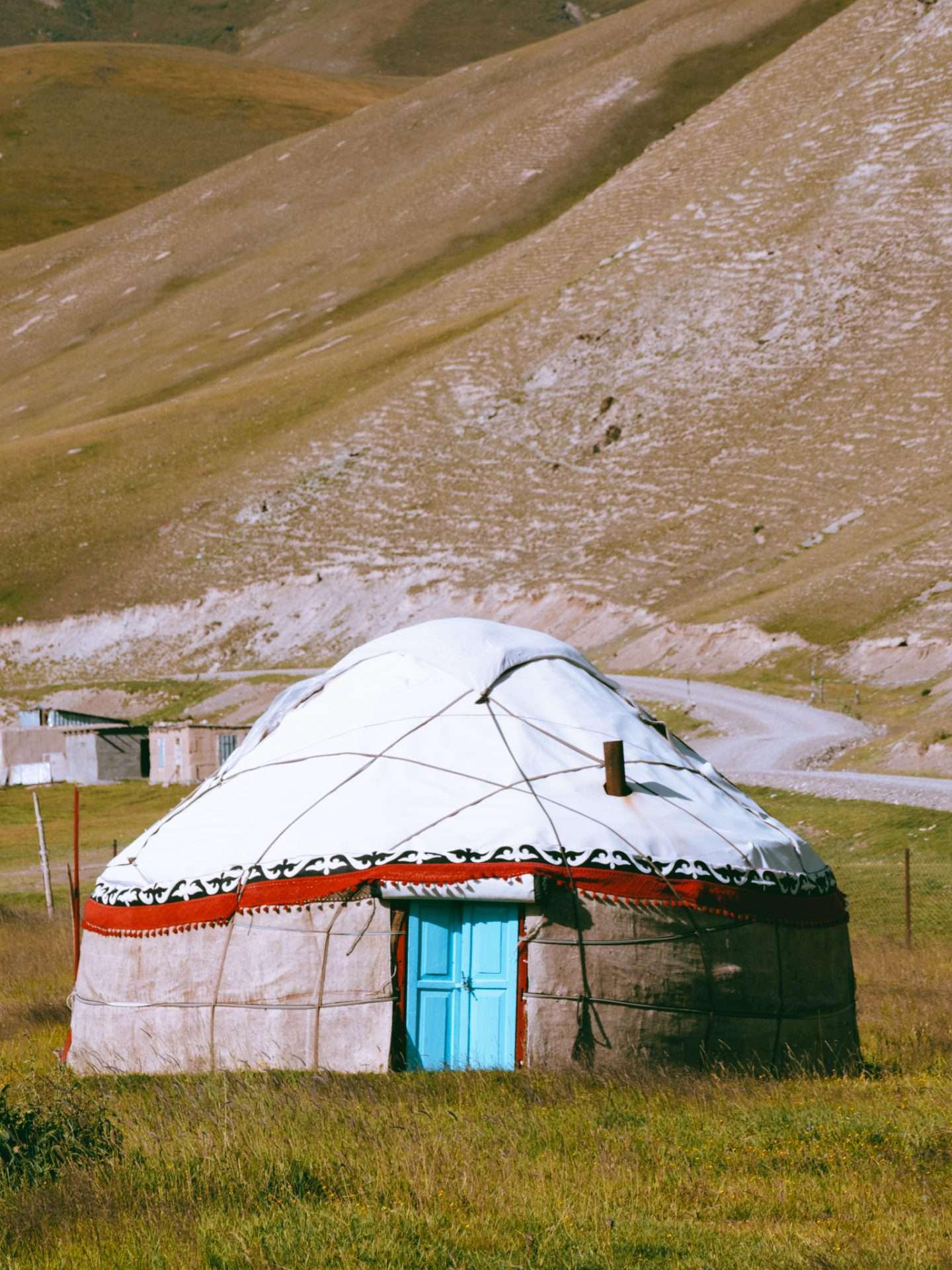
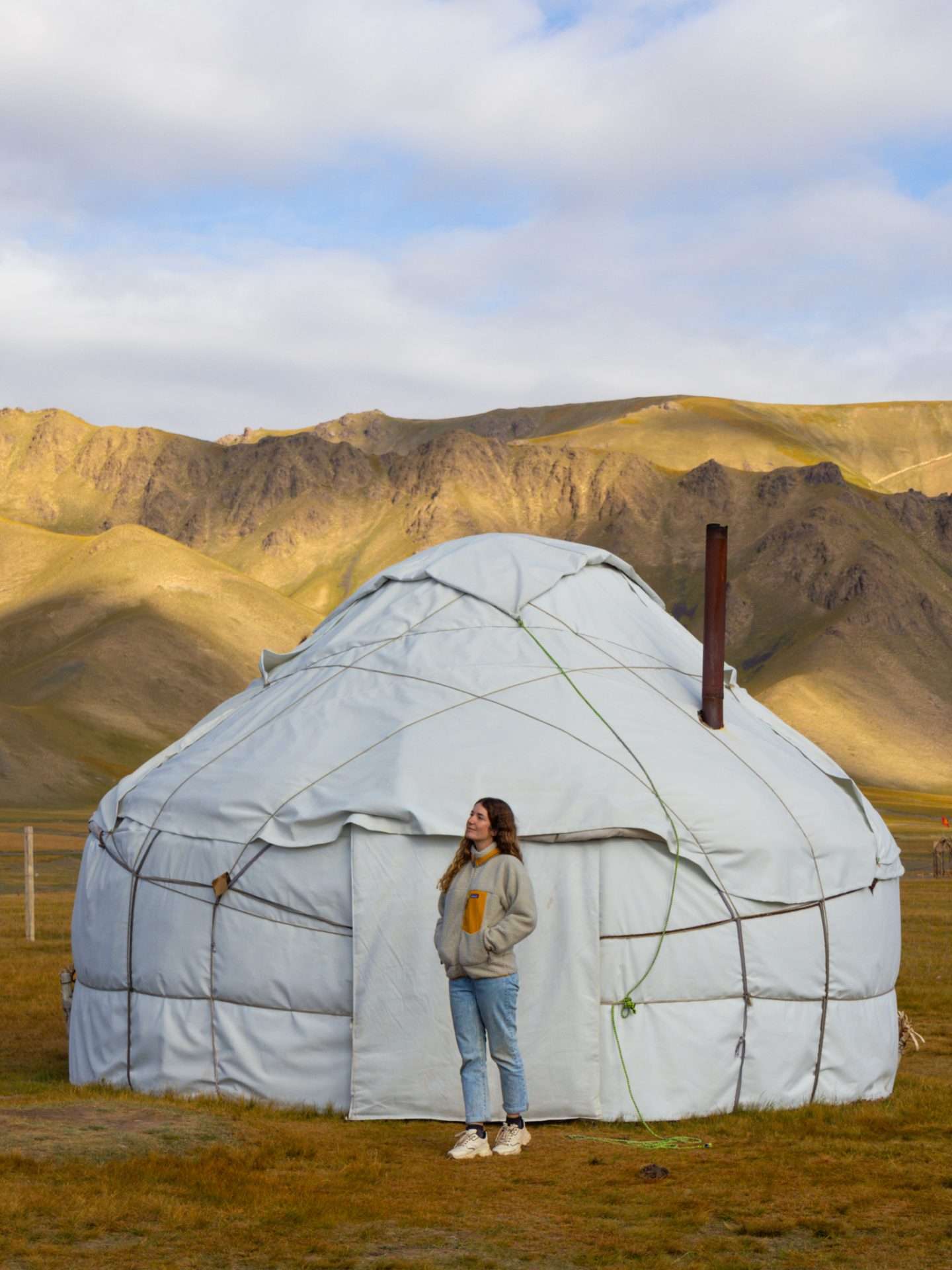
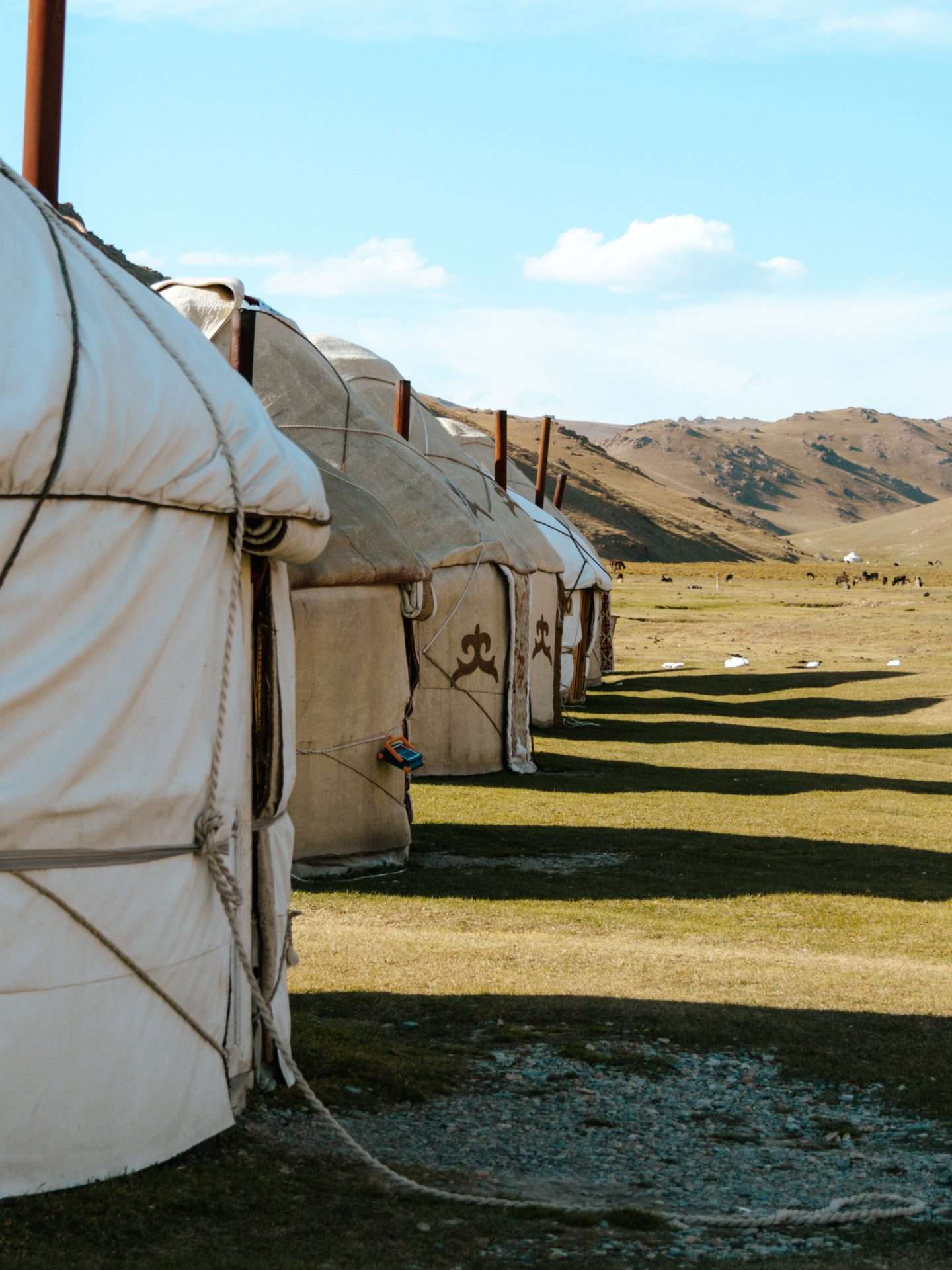
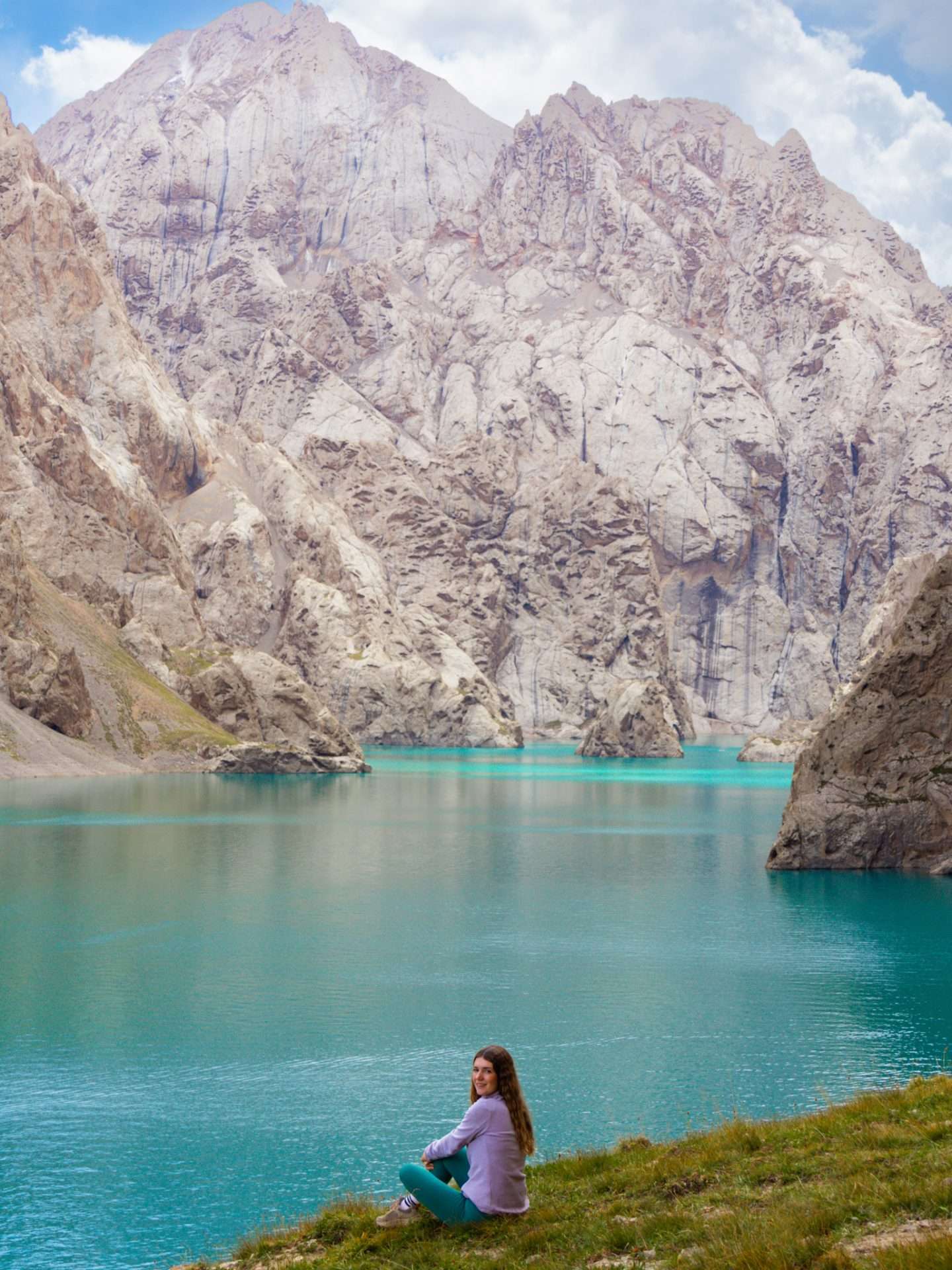
Kyrgyzstan is the land of nomads. In the hot summers, families move higher into the mountains with their yurts and livestock, where the animals can graze. Often these families also host travelers in their yurts. These yurt camps are very basic, however: often there is a simple (squat) toilet, no electricity and no showers. You can brush your teeth at a communal sink outside. There is lighting, but it is solar powered. In the yurts themselves there are often four wooden single beds and a stove that is lit in the evening to warm your yurt. Very simple, but a very unique travel experience!
11) Eating in Kyrgyzstan
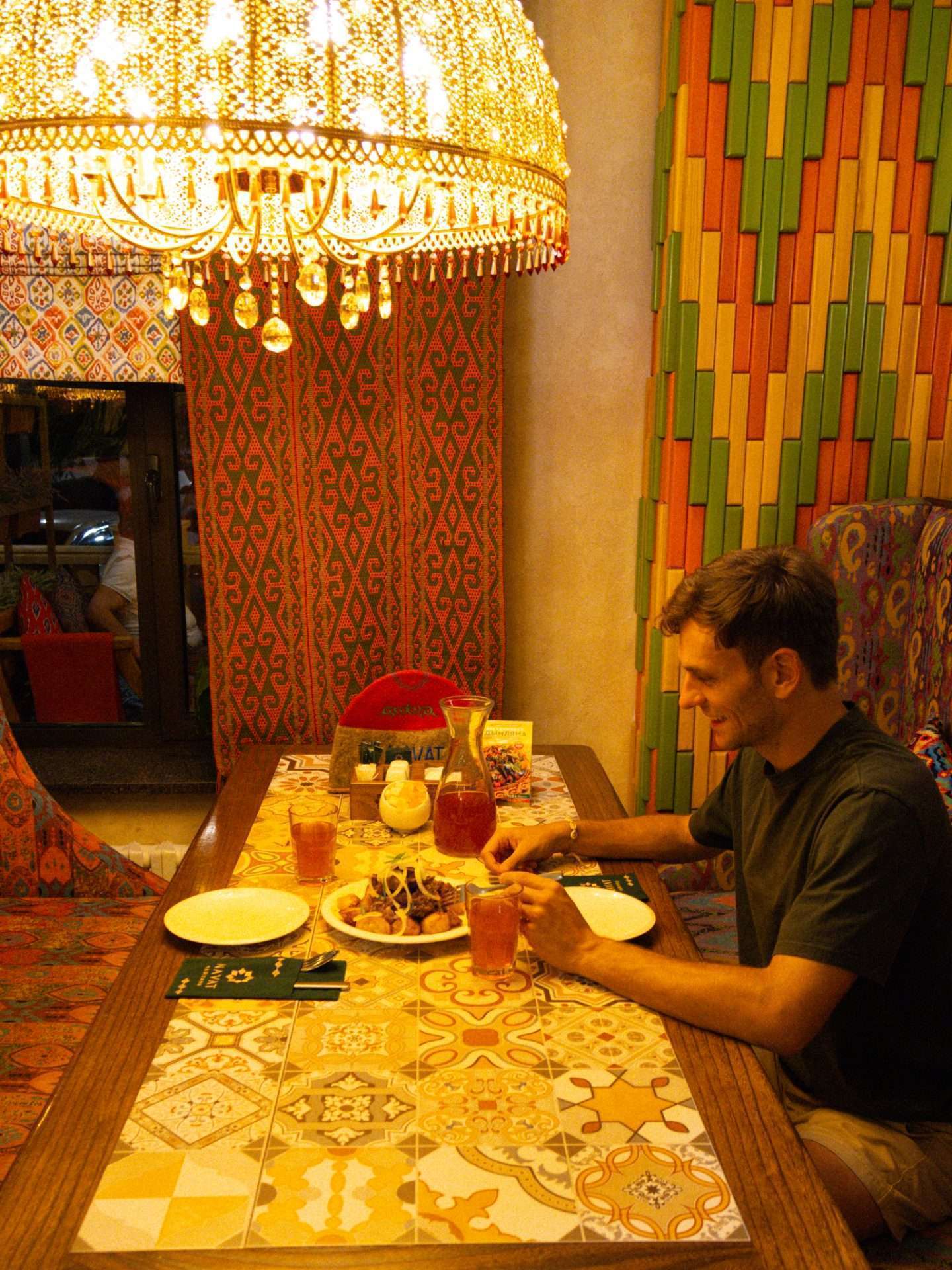
In Kyrgyzstan, a meal is not just about food, but about hospitality. Kyrgyz people often conjure up multiple dishes on the table and certainly don’t want you to be short on anything. Some local dishes include plov (pilaf), a combination of rice, carrots and meat, and kuurdak, fried meat with onions and potatoes. Kyrgyzstan has a strong meat culture and often you will eat horse or mutton. So as a vegetarian or vegan, it can be challenging to eat in Kyrgyzstan, especially if you sleep in the yurt camps. Additional vegetables (tomatoes and cucumbers) and bread are often served as well. Finally, you will sometimes be offered a glass of koumis (kumis), fermented horse milk. The drink is believed to have healing properties, but it has a very special and sour taste.

12) Toilets in Kyrgyzstan.
Going to the toilet in Kyrgyzstan can be quite a challenge. The thing is, most toilets here are “squat” toilets. Often it is a wooden stall with a hole in the ground over which you therefore squat. The smell is not always pleasant and it is best to bring your own toilet paper. In the larger cities and at most guest houses you will find ‘Western’ toilets.

13) Useful apps
Installing certain apps is one of the best travel tips we can give for Kyrgyzstan. To make your adventure just a little easier, you may want to install the following apps:
- Google Maps: download the map of Kyrgyzstan offline so you can navigate yourself at all times.
- Maps.Me: again, you can download the map offline, which includes hiking trails in addition to most roads.
- 2GIS: a kind of Google Maps for in Kyrgyzstan. These routes are sometimes more accurate and they also show speed limits.
- Yandex: a cab app like Uber. We used this regularly in Bishkek. A safe and convenient way to get around quickly and spotlessly cheap.
- Google Translate: download Kyrgyz and Russian languages offline in advance. This allows you to quickly translate menus or engage in short conversations where needed.
14) Travel Supplies Kyrgyzstan
In addition to the above applications, we learned after our vacation in Kyrgyzstan that there are also some essential travel essentials that make your trip more comfortable:
- Universal plugSockets in Kyrgyzstan are type C and F, just like in Europe. If you do have a different type of plug, we recommend a universal plug.
- Powerbank: In the remote parts and yurt kamen there is often no electricity. Solar panels are often used for lighting. So a powerbank is very handy to take with you to charge your cell phone.
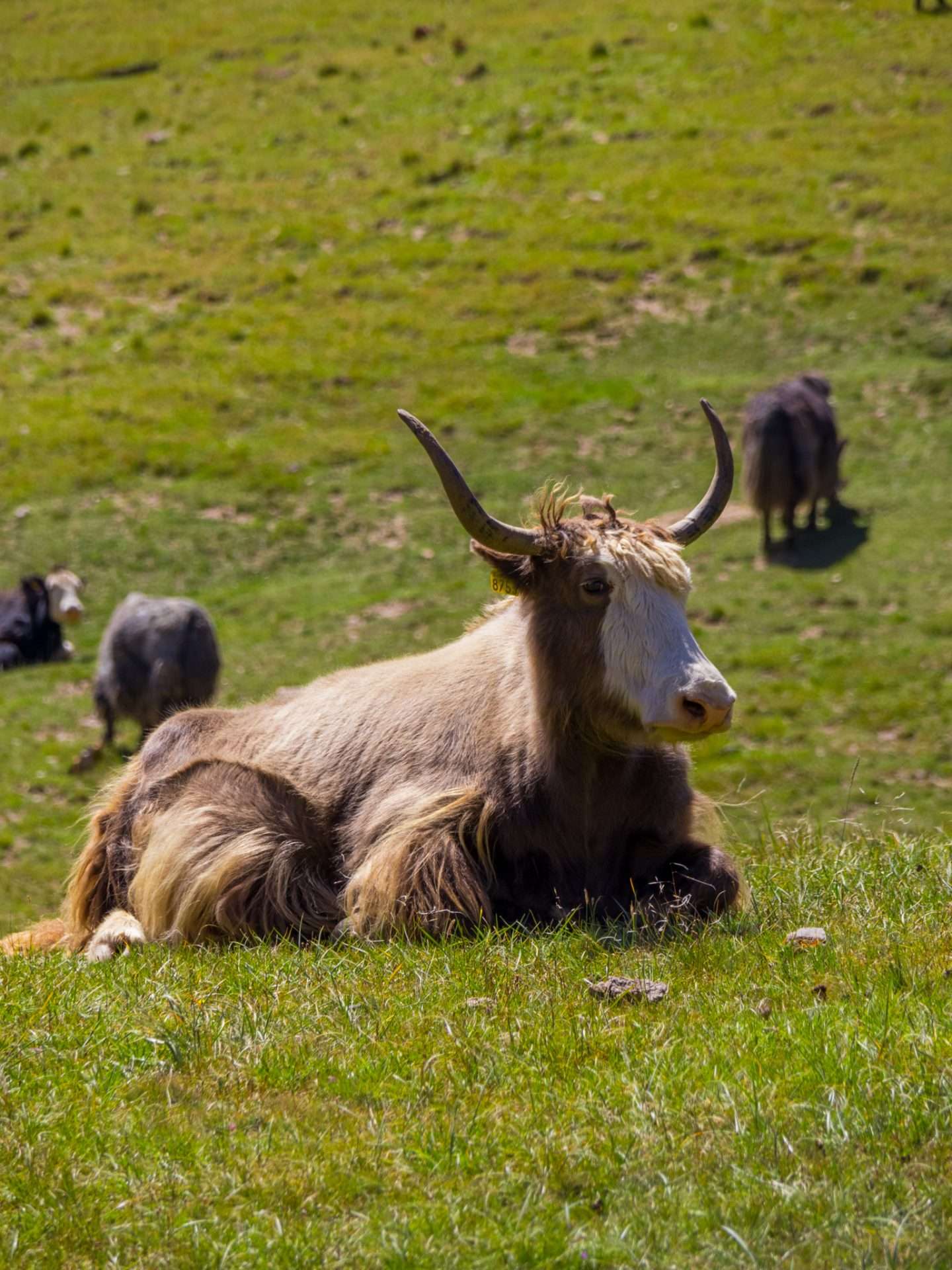
- Water filter: It is not recommended to drink tap water in Kyrgyzstan. And drinking from a running stream is also not recommended, because of the many animals roaming freely. We helped ourselves the whole trip with a Lifestraw Water Filter and 5L bottles from the supermarket.
- Camera (and drone).: You really feast your eyes on all the beauty in Kyrgyzstan and you want to capture it on film. So be sure not to forget your camera. By the way, drones are also allowed in Kyrgyzstan.
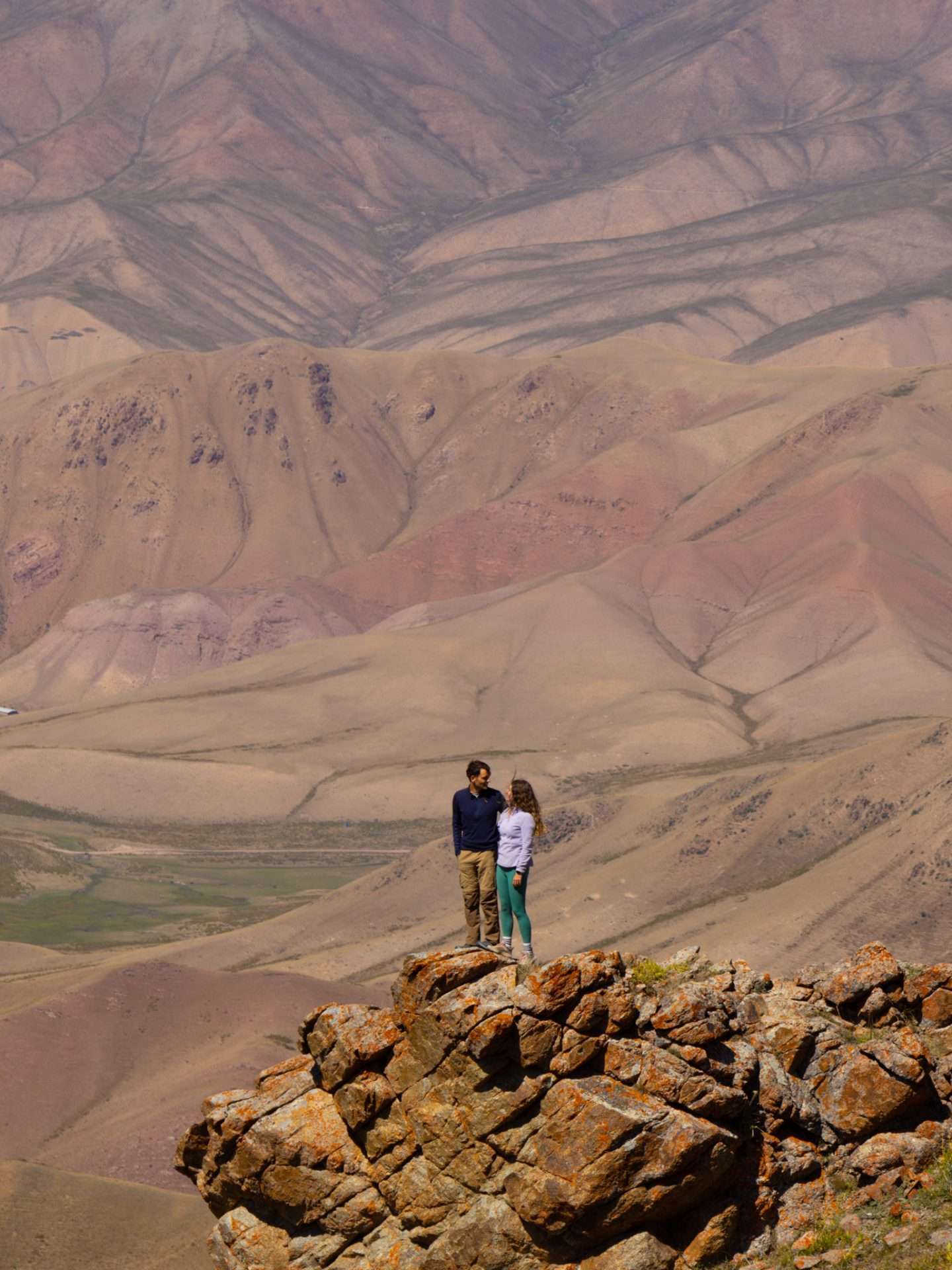
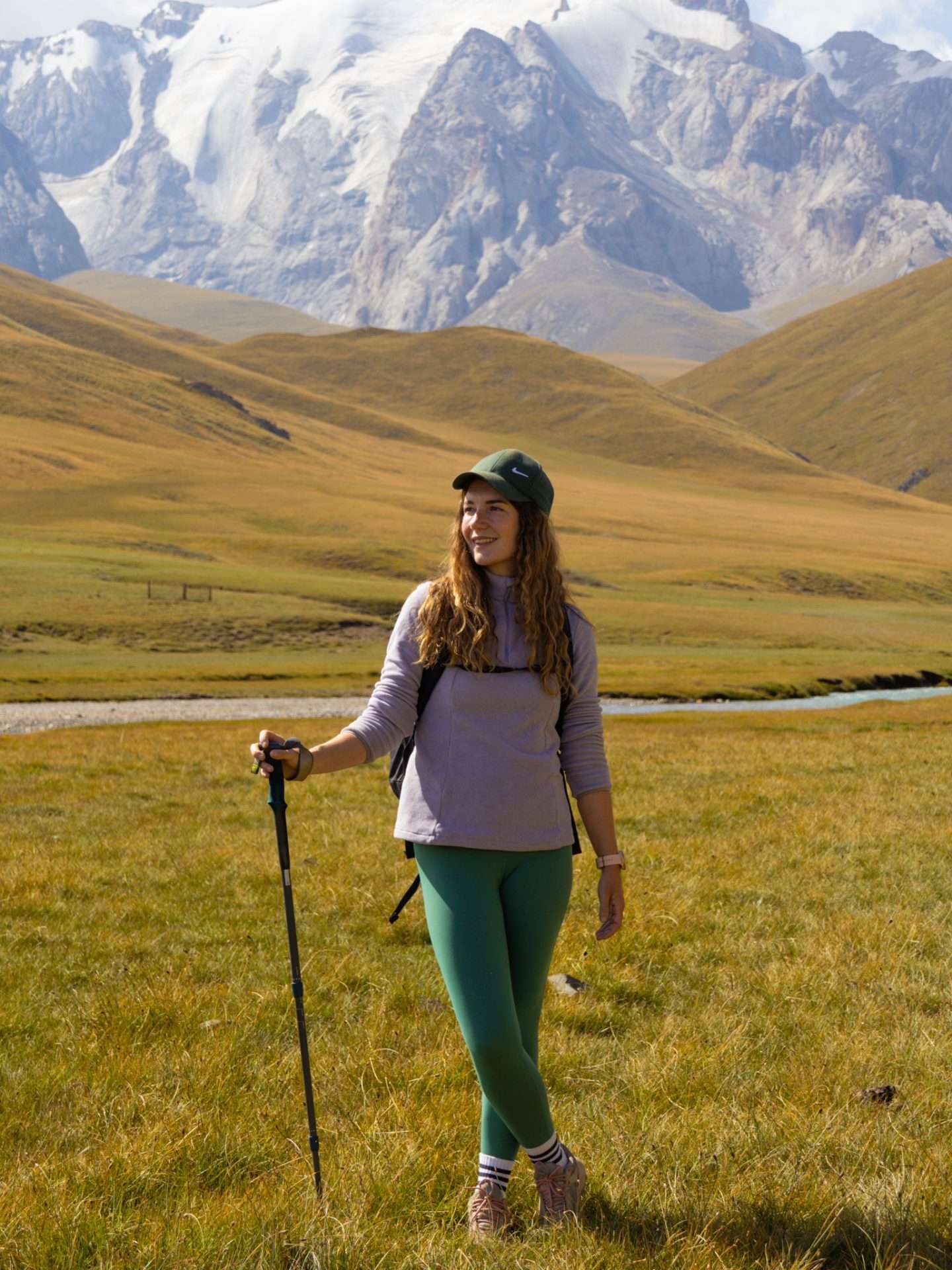
- Hiking gear: It somewhat goes without saying, but be sure to take sporting clothes and good hiking shoes to Kyrgyzstan. The terrain is often uneven and rough, and on many hikes you conquer a lot of altimeters. Hiking poles are therefore not an unnecessary luxury.

15) Best travel time Kyrgyzstan
Kyrgyzstan also has different seasons, with weather conditions far apart. The best travel time for Kyrgyzstan is from June through September, with July and August being the high season. Then everything is open, the days are longer and you often have pleasant temperatures in the mountains. In capital Bishkek then again, it can be just too hot, with temperatures around 35°C. The in-between season is June and September, where there may still be snow on some trails in June. From October to April is the low season in Kyrgyzstan. This is characterized by very harsh winters where most accommodations are closed and hiking trails are inaccessible. However, there are exceptions such as Jyrgalan, where you can go skiing in winter.
Finally, we would like to give one more travel tip for Kyrgyzstan: be flexible. In Kyrgyzstan, the travel itself is as valuable as the destination. Given the rugged landscape and sometimes limited amenities, you may already experience delays in your travel plans (a flat tire, a marshrutka that doesn’t show up, bad weather, …). So keep some room in your schedule to avoid unnecessary stress. You travel like a true nomad!
Do you have your own travel tips for Kyrgyzstan? Let us know in a comment below! Looking for more information for your next trip? Please do not hesitate to contact us contact or send an email to info@snoezelsontheroad.com


Kygystern Sound to be a very beautiful place to visit with little budget compare to Switzerland